Информационный центр
Текущее местоположение:Главная страница>
Информационный центр>
Как выбрать качественный топливный фильтр


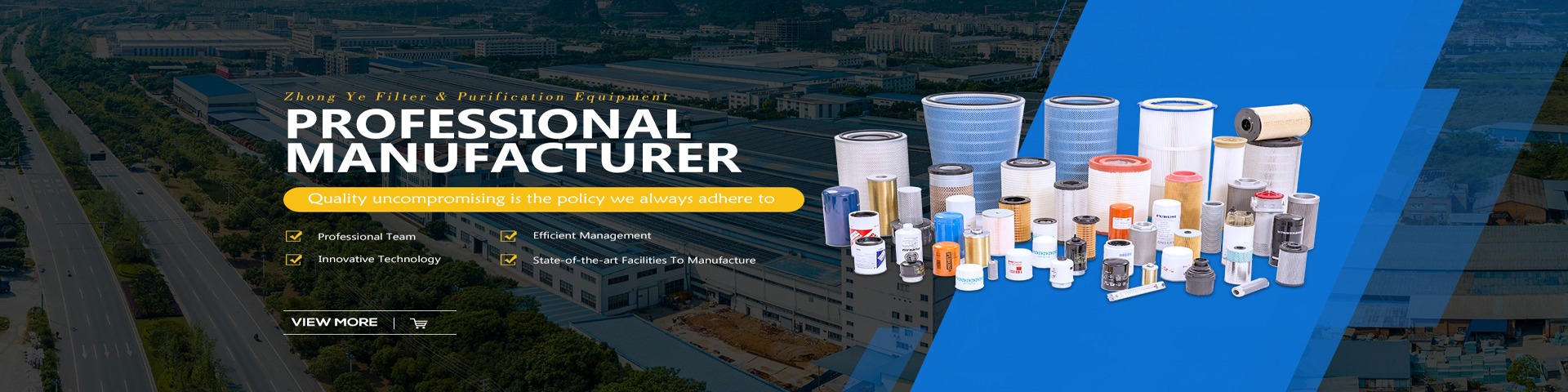
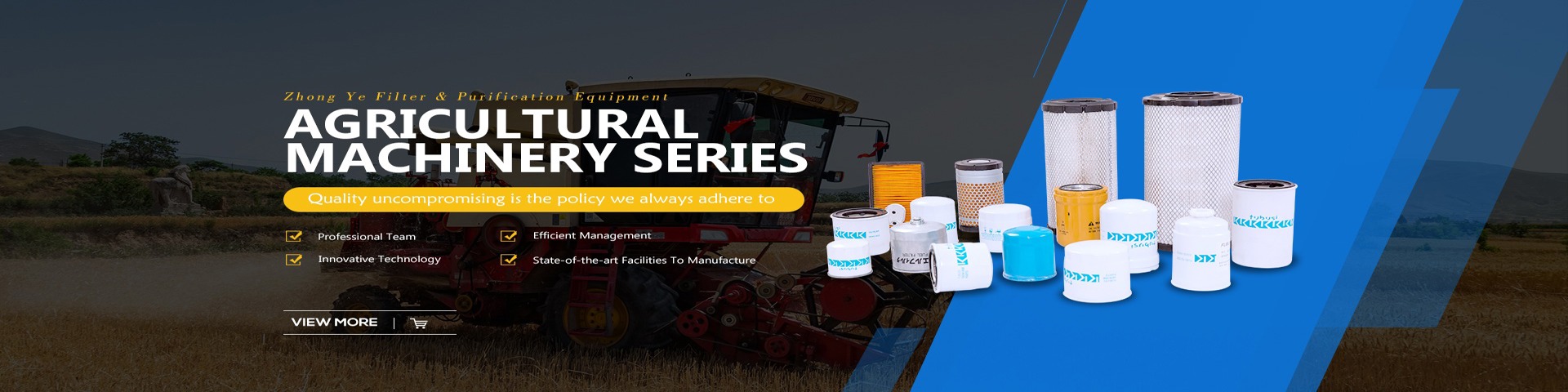
Вы когда-нибудь задумывались, почему ваш автомобиль иногда работает не так гладко, как хотелось бы? Возможно, проблема кроется в топливном фильтре – маленьком, но чрезвычайно важном компоненте, который защищает двигатель от загрязнений. Но как выбрать качественный топливный фильтр, который не подведет в самый неподходящий момент? В этой статье мы ответим на все ваши вопросы, проведя вас через ключевые аспекты выбора, от типов фильтров до практических советов. Давайте начнем это увлекательное путешествие в мир автомобильных запчастей!
Топливный фильтр – это устройство, которое очищает топливо от примесей, таких как пыль, ржавчина, вода и другие загрязнения, перед тем как оно попадет в двигатель. Представьте себе: если бы вы пили воду прямо из реки без фильтрации, вы бы рисковали своим здоровьем. Точно так же двигатель вашего автомобиля нуждается в чистом топливе для эффективной и долговечной работы. Но как именно работает этот фильтр? Обычно он состоит из фильтрующего элемента, который задерживает частицы размером от нескольких микрон. В зависимости от типа топлива (бензин или дизель) и конструкции автомобиля, фильтры могут быть разными – бумажными, синтетическими или даже с дополнительными функциями, like water separation in diesel engines. Without a good filter, contaminants can clog fuel injectors, reduce engine performance, increase fuel consumption, and even lead to costly repairs. So, investing in a quality fuel filter is not just a recommendation; it's a necessity for any car owner who values reliability and economy.
При выборе топливного фильтра первым шагом является определение типа, который совместим с вашим автомобилем. Существует несколько основных категорий: фильтры для бензиновых двигателей, дизельных двигателей, а также встроенные или заменяемые модели. Для бензиновых автомобилей фильтры обычно simpler and focus on removing solid particles, whereas diesel filters often include water separators due to the higher risk of water contamination in diesel fuel. Additionally, some modern cars have integrated fuel filters that are part of the fuel pump assembly, making replacement more complex but often more efficient. How do you know which type is right for you? Start by consulting your vehicle's owner manual or using online databases that match filters to your car's make, model, and year. For example, if you drive a Volkswagen Golf with a diesel engine, you'll need a filter specifically designed for diesel applications with good water separation capabilities. Ignoring this can lead to poor performance or even engine damage. Remember, using the wrong type of filter is like trying to fit a square peg into a round hole – it just won't work properly!
Когда вы определились с типом фильтра, пришло время углубиться в детали, такие как материал фильтрующего элемента, репутация бренда и стоимость. Качественные фильтры often use synthetic media or high-grade paper that can capture smaller particles without restricting fuel flow. Brands like Bosch, Mann-Filter, or Mahle are renowned for their reliability and adherence to OEM standards, meaning they meet the original equipment manufacturer's specifications. But is it worth paying extra for a premium brand? In many cases, yes – cheaper alternatives might save you money upfront but could fail prematurely, leading to higher long-term costs. However, price isn't everything; look for filters that offer a balance between cost and performance. For instance, a mid-range filter from a trusted brand might be perfectly adequate for daily driving, while a racing car might require top-tier products. Always check reviews and ratings from other users to gauge real-world performance. Don't fall for gimmicks; a good filter should simply do its job well without unnecessary features that drive up the price.
После выбора подходящего фильтра важно убедиться в его совместимости с вашим автомобилем и правильно установить его. Совместимость можно проверить through part numbers cross-referencing tools available online or at auto parts stores. For example, if your car's OEM part number is ABC123, search for filters that match it. Installation varies by vehicle; some filters are easy to replace with basic tools, while others require professional help, especially if located in hard-to-reach areas like the fuel tank. Always follow the manufacturer's instructions to avoid leaks or damage. A pro tip: replace the filter during routine maintenance, such as oil changes, to make it a hassle-free process. And remember, a poorly installed filter can cause fuel leaks or air ingress, defeating the purpose of having a quality component. If you're unsure, don't hesitate to consult a mechanic – it's better to be safe than sorry!
В заключение, выбор качественного топливного фильтра – это не просто покупка запчасти; это инвестиция в здоровье вашего двигателя. Учитывайте тип двигателя, материалы, бренд и совместимость, чтобы избежать проблем в будущем. Регулярная замена фильтра (обычно каждые 15,000–30,000 km or as per manual) ensures optimal performance and fuel efficiency. So, next time you're at the auto shop, take a moment to make an informed decision. Your car will thank you with smooth rides and lower repair bills. Drive safe and filter wisely!
This article has covered the essentials, but if you have more questions, feel free to explore further or consult experts. Happy driving!
