Информационный центр


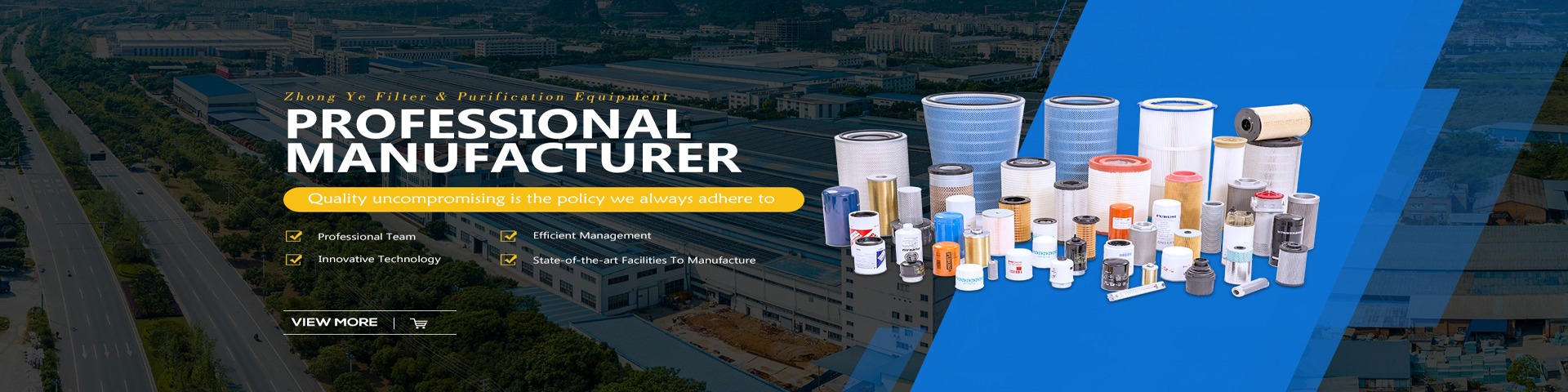
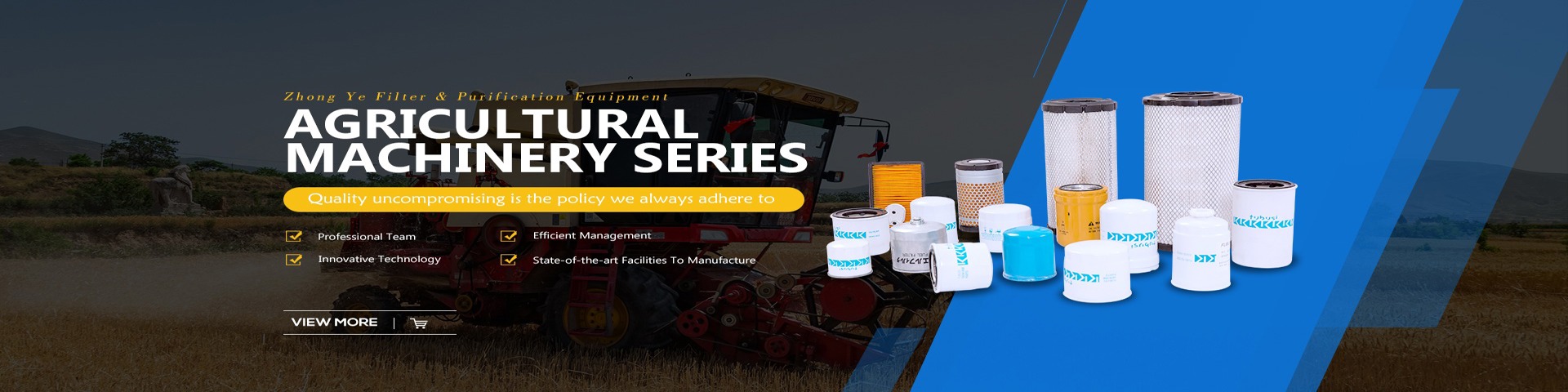
В современном промышленном мире, где эффективность и надежность оборудования играют ключевую роль, гидравлические системы являются неотъемлемой частью многих процессов. От машиностроения до энергетики, эти системы обеспечивают передачу энергии через жидкости, такие как масла и гидравлические жидкости. Однако, одной из основных проблем, с которыми сталкиваются операторы, является загрязнение этих жидкостей. Частицы пыли, металлическая стружка, окалина и другие примеси могут серьезно повредить компоненты системы, привести к преждевременному износу и даже вызвать катастрофические отказы. Именно здесь на помощь приходит гидравлический трубопроводный фильтр – незаменимый инструмент, который служит надежным защитником от загрязнений.
В этой статье мы подробно рассмотрим, почему гидравлические фильтры так важны, как они работают, их преимущества, и как правильно выбрать и использовать их для максимальной эффективности. Мы также обсудим современные тенденции в области фильтрации и практические советы по обслуживанию. Цель – предоставить вам исчерпывающее руководство, которое поможет защитить ваше оборудование и повысить его долговечность.
Гидравлический трубопроводный фильтр – это устройство, предназначенное для удаления загрязняющих частиц из гидравлических жидкостей в системах под давлением. Он устанавливается непосредственно в трубопровод и работает, пропуская жидкость через фильтрующий элемент, который задерживает твердые примеси. Эти фильтры могут быть рассчитаны на различные уровни фильтрации, от грубой очистки (удаление крупных частиц) до тонкой (удаление микроскопических загрязнений).
Основные компоненты типичного гидравлического фильтра включают корпус, фильтрующий элемент (часто из бумаги, металлической сетки или синтетических материалов), уплотнения и sometimes датчики для monitoring загрязнения. Они разработаны to withstand высокие давления и температуры, typical для гидравлических систем.
Исторически, использование фильтров в гидравлике began с развитием промышленности в XX веке, как осознание важности чистоты жидкостей для предотвращения износа. Сегодня, с advances в materials и technology, фильтры стали более efficient и durable.
Работа гидравлического фильтра основана на простом, но эффективном принципе: жидкость under pressure протекает through фильтрующий medium, который traps contaminants based on их size. Фильтрующий элемент имеет pores определенного размера; частицы larger than эти pores are captured, while очищенная жидкость continues flow.
There are different types фильтрации: surface filtration, where particles are trapped on the surface of the filter, and depth filtration, where particles are captured within the matrix of the filter material. Гидравлические фильтры often use depth filtration для better capacity и efficiency.
Key parameters включают micron rating (размер smallest particles that can be filtered), flow rate, и pressure drop. Pressure drop – это decrease in pressure across the filter due to resistance; it increases as the filter clogs, signaling need for maintenance.
In practice, фильтры are installed in lines where contamination is likely, such as after pumps or before sensitive components like valves и actuators. Regular monitoring через visual inspection или sensors helps ensure optimal performance.
Использование гидравлических фильтров offers numerous benefits. First and foremost, они protect equipment от damage caused by abrasion и corrosion from contaminants. This extends the lifespan of components, reduces downtime, и lowers maintenance costs.
Additionally, clean hydraulic fluid ensures efficient operation, as contamination can lead to increased friction, heat, и energy consumption. Filters also help maintain system reliability, preventing unexpected failures that could result in safety hazards или production losses.
From an economic perspective, investing in quality filters can save money in the long run by avoiding costly repairs и replacements. They also contribute to environmental sustainability by reducing waste from failed components и promoting reuse of fluids through filtration.
Examples from industries like automotive manufacturing show that implementing proper filtration can improve product quality и reduce scrap rates. In mobile equipment like excavators, filters are crucial for operation in dusty conditions.
Существует несколько types гидравлических фильтров, каждый designed for specific applications. Common types include:
Filters can also be classified by filter medium: paper filters for fine filtration, mesh filters for coarse, и synthetic media for high durability. Выбор depends on system requirements, such as pressure, temperature, и level of contamination.
Modern advancements include self-cleaning filters that use backwashing или other methods to extend service life, reducing maintenance frequency.
Выбор правильного гидравлического фильтра critical для эффективности. Consider следующие factors:
Consult manufacturer specifications и industry standards, such as ISO cleanliness codes, to guide selection. It's often wise to oversize slightly for futureproofing.
Example: For a hydraulic press operating at 200 bar with flow of 100 L/min, choose a pressure filter with rating at least 250 bar, flow capacity 120 L/min, и micron rating based on component sensitivity.
Правильная установка ensures filter performance. Install filters in accessible locations for easy maintenance. Use proper seals и follow torque specifications to avoid leaks.
Обслуживание включает regular inspection для clogging. Replace filters based on indicator или schedule – typically every 500-1000 operating hours, but varies with conditions. Always use genuine replacement parts to maintain efficiency.
При замене, ensure system is depressurized и fluid is drained to prevent contamination. Dispose of used filters responsibly, as they may contain hazardous materials.
Monitoring tools like particle counters can help track fluid cleanliness и optimize maintenance intervals.
В области гидравлической фильтрации, innovations focus on efficiency и sustainability. Smart filters with IoT sensors provide real-time data on contamination levels, enabling predictive maintenance.
Разработка биоразлагаемых filter materials reduces environmental impact. Additionally, improvements in nanofiltration allow for removal of even smaller particles, enhancing protection for high-tech systems.
Industry is moving towards standardized protocols for fluid cleanliness, driven by organizations like NFPA и ISO, promoting best practices globally.
Гидравлический трубопроводный фильтр – это vital component для любой гидравлической системы, offering reliable protection от загрязнений. Путем understanding его работы, benefits, и proper selection, вы можете significantly improve equipment longevity и performance.
Invest in quality filters, adhere to maintenance schedules, и stay updated with technological advances to ensure your systems run smoothly и efficiently. Remember, чистый hydraulic fluid – ключ к надежной операции.
Для further information, consult technical manuals или speak with experts in the field. Защитите ваше equipment сегодня с помощью правильного фильтра!
