Информационный центр
Текущее местоположение:Главная страница>
Информационный центр>
Как производство фильтров для кондиционеров защищает ваше здоровье


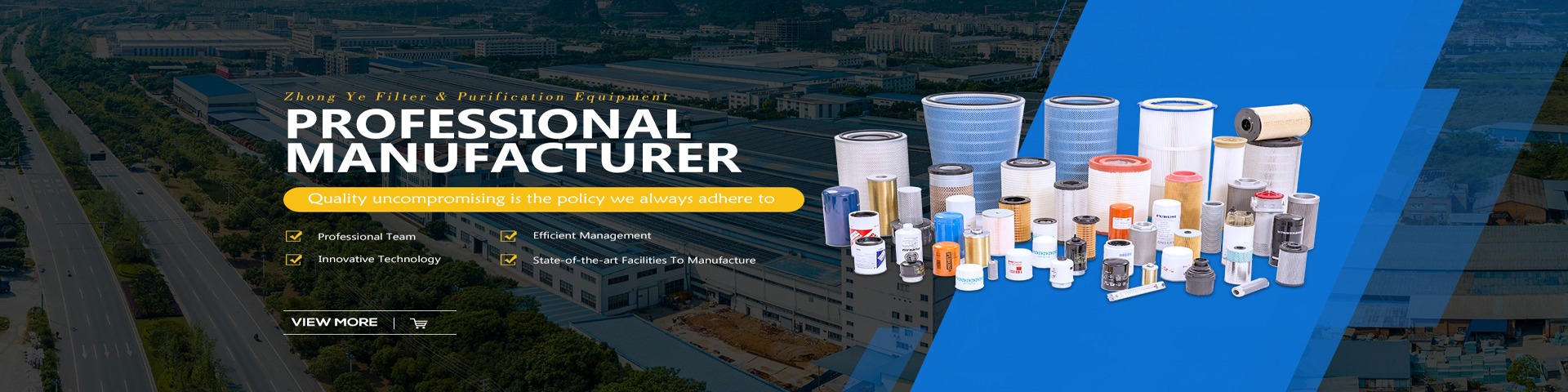
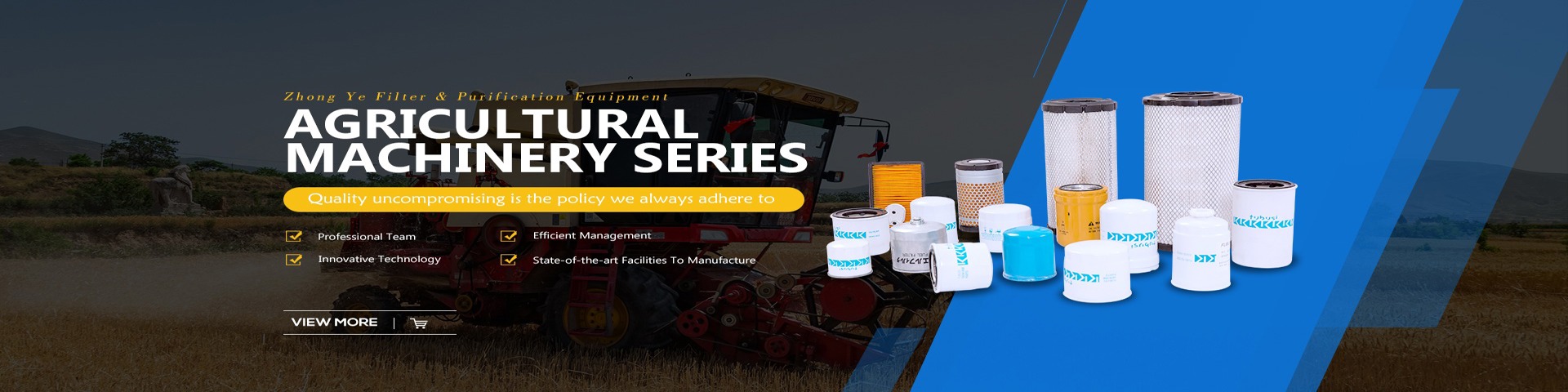
В современном мире, где мы проводим до 90% времени в закрытых помещениях, качество воздуха внутри становится критически важным для нашего здоровья. Системы кондиционирования воздуха (HVAC) играют ключевую роль в поддержании комфортной температуры и влажности, но без эффективных фильтров они могут превратиться в источник загрязнения. Производство фильтров для кондиционеров — это не просто промышленный процесс; это наукоемкая отрасль, направленная на защиту здоровья человека. В этой статье мы подробно рассмотрим, как инновационные технологии производства фильтров помогают очищать воздух от вредных частиц, аллергенов, бактерий и вирусов, снижая риски респираторных заболеваний, аллергий и других проблем со здоровьем. Мы также обсудим экологические аспекты, стандарты качества и будущие тенденции в этой области.
Воздух, которым мы дышим, напрямую влияет на наше самочувствие. По данным Всемирной организации здравоохранения (ВОЗ), загрязнение воздуха в помещениях является одной из ведущих причин смертности во всем мире, приводя к таким заболеваниям, как астма, бронхит, и даже рак легких. Кондиционеры, если не оборудованы качественными фильтрами, могут циркулировать пыль, пыльцу, споры плесени и другие загрязнители, усугубляя ситуацию. Производство фильтров решает эту проблему, создавая барьеры, которые задерживают до 99,97% частиц размером от 0,3 микрона. Это включает в себя PM2.5 (мелкие частицы), которые особенно опасны для сердечно-сосудистой системы. Таким образом, инвестиции в передовые фильтры — это инвестиции в долгосрочное здоровье.
Производство фильтров для кондиционеров начинается с выбора материалов и технологий. Наиболее распространенные типы включают механические фильтры (например, HEPA-фильтры), электростатические фильтры, угольные фильтры и фотокаталитические фильтры. Каждый тип имеет свои преимущества и процессы производства.
Современное производство leverages automation and quality control to ensure consistency. For example, ISO standards like ISO 16890 regulate testing for particulate filtration, while manufacturers use robotics for assembly to minimize human error. This attention to detail ensures that every filter performs as expected, protecting users from health hazards.
Фильтры работают по принципу физического захвата или химической нейтрализации загрязнителей. Механические фильтры, такие как HEPA, rely on diffusion, interception, and impaction to trap particles. For instance, when air flows through the filter, larger particles are caught by the fibers, while smaller ones diffuse and stick due to Brownian motion. This effectively removes dust, pollen, pet dander, and even some microorganisms.
Electrostatic filters use an electric charge to attract particles, similar to how a magnet works. This is particularly effective for smoke and fine particulates. Carbon filters, on the other hand, adsorb volatile organic compounds (VOCs) and odors through chemical bonding, which is crucial in urban environments where outdoor pollution seeps indoors.
Photocatalytic filters employ oxidation processes to decompose pollutants like bacteria and viruses into harmless substances. This technology is gaining popularity due to its ability to handle biological threats, such as during flu seasons or pandemics.
By removing these contaminants, filters prevent them from entering our respiratory system. For example, reducing PM2.5 exposure can lower the incidence of asthma attacks and cardiovascular events. Studies show that improved indoor air quality leads to better sleep, increased productivity, and reduced sick days.
Аллергии и астма affect millions worldwide, and indoor allergens like dust mites, mold spores, and pet allergens are common triggers. Production of high-efficiency filters targets these specific particles. HEPA filters, for instance, can capture over 99% of allergens, providing relief for sufferers. Manufacturers often design filters with anti-microbial coatings to prevent mold growth within the filter itself, which could otherwise become a source of contamination.
In production, materials are tested for allergen removal efficiency using standardized protocols. This ensures that filters not only trap allergens but also maintain performance over time. Regular replacement cycles are recommended, typically every 3-6 months, to avoid saturation and reduced efficiency.
Case studies in hospitals and schools have demonstrated that installing advanced filters reduces asthma-related emergencies by up to 30%. This highlights how production innovations directly translate to health benefits, especially for vulnerable populations like children and the elderly.
In the wake of global health crises, such as the COVID-19 pandemic, the role of air filtration in preventing disease transmission has gained prominence. Filters that can capture airborne pathogens are essential. HEPA filters are effective against many viruses and bacteria due to their small pore size. Additionally, some filters incorporate silver ions or other antimicrobial agents that kill microorganisms on contact.
Production processes for these specialized filters involve impregnating materials with biocidal substances while ensuring they are safe for humans. Testing includes challenges with live pathogens to verify efficacy. For example, filters rated MERV 13 or higher can significantly reduce the spread of influenza and coronaviruses in enclosed spaces.
This capability is vital not only in homes but also in public buildings, airplanes, and healthcare facilities. By investing in such production, society can build resilience against future outbreaks, protecting public health on a large scale.
While protecting health, production of filters must also consider environmental impact. Sustainable practices include using recyclable materials, reducing energy consumption during manufacturing, and designing filters for easy disposal or recycling. For instance, some companies produce filters from biodegradable plastics or recycled fibers.
Energy-efficient production lines minimize carbon footprints, and end-of-life management programs encourage users to recycle used filters instead of sending them to landfills. This holistic approach ensures that health protection does not come at the expense of the planet.
Moreover, by improving indoor air quality, filters reduce the need for ventilation with outdoor air, which can be polluted. This lowers energy consumption in buildings, contributing to overall environmental sustainability.
To ensure filters effectively protect health, production must adhere to strict standards. Key standards include ISO 16890 for particulate filtration, ASHRAE Standard 52.2 for rating filter performance, and various national regulations. These standards define testing methods for efficiency, pressure drop, and durability.
Manufacturers conduct rigorous testing during production, including particle counting and airflow simulations. Compliance with these standards is often verified by third-party organizations, providing consumers with confidence in the product's claims.
Regulatory bodies also set limits on emissions from production processes to protect workers and the environment. This multi-layered oversight ensures that filters are safe, effective, and environmentally responsible.
The future of filter production is geared towards smarter, more efficient solutions. Innovations include nanofiber technology, which offers higher filtration efficiency with lower airflow resistance, and IoT-integrated filters that monitor air quality in real-time and alert users when replacement is needed.
Research is also focused on developing filters that can capture ultrafine particles and chemical pollutants more effectively. Additionally, sustainable materials like bamboo-based fibers are being explored to reduce environmental impact.
These advancements will further enhance the health-protective capabilities of filters, making them indispensable in our daily lives. As production technologies evolve, we can expect even greater benefits for respiratory health and overall well-being.
Производство фильтров для кондиционеров — это критически важная отрасль, которая напрямую способствует защите здоровья. От удаления аллергенов и патогенов до улучшения качества жизни, эти устройства играют ключевую роль в современном обществе. Выбирая высококачественные фильтры и следуя рекомендациям по замене, вы можете значительно снизить риски для здоровья и создать более безопасную среду обитания. Будущие инновации promise even greater protection, underscoring the importance of continued investment and awareness in this field.
В конечном счете, забота о воздухе, которым мы дышим, — это забота о нашем будущем. Производители, регулирующие органы и потребители должны работать вместе, чтобы обеспечить, чтобы технологии фильтрации продолжали развиваться и приносить пользу всем.
