Информационный центр


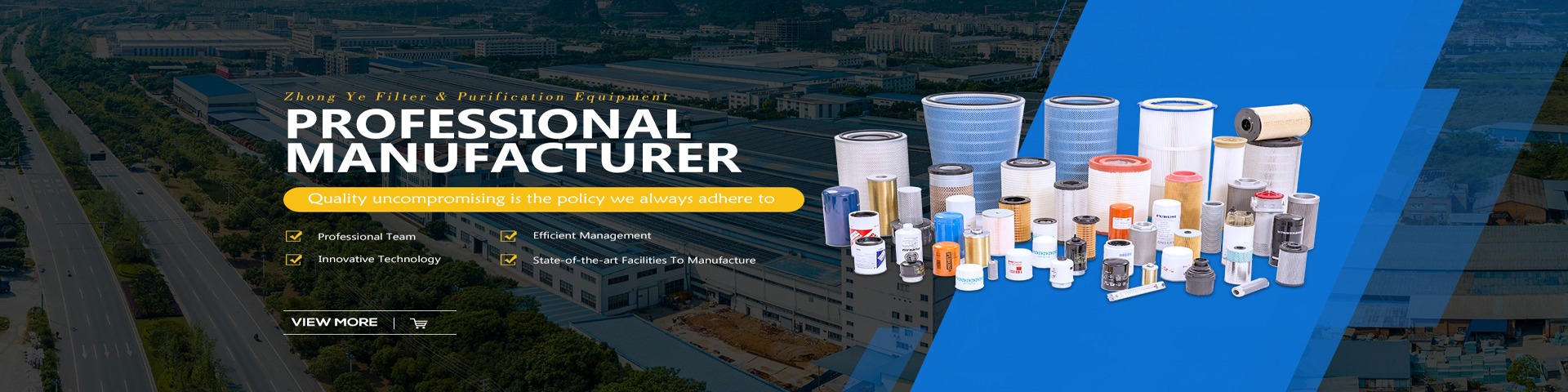

В современном мире автомобили стали незаменимой частью нашей повседневной жизни. Они обеспечивают мобильность, комфорт и эффективность, но для поддержания их работоспособности требуется регулярное техническое обслуживание. Одним из ключевых компонентов, который часто упускают из виду, является топливный фильтр. Многие водители считают его простой деталью, но на самом деле он играет критически важную роль в защите двигателя от загрязнений и обеспечении оптимальной работы. В этой статье мы подробно рассмотрим, почему так важно заказывать топливный фильтр, учитывая особенности топливной системы и тип используемого горючего материала. Мы обсудим, как правильный выбор может продлить срок службы вашего автомобиля, сэкономить деньги и повысить безопасность.
Топливный фильтр — это устройство, предназначенное для очистки топлива от примесей, таких как пыль, ржавчина, вода и другие загрязнения, перед его поступлением в двигатель. Эти примеси могут поступать из топливного бака, трубопроводов или даже самого топлива, особенно если оно низкого качества. Без эффективного фильтра эти частицы могут попасть в двигатель, вызывая износ деталей, снижение производительности и даже серьезные поломки. Например, в дизельных двигателях загрязнения могут привести к засорению форсунок, что значительно увеличивает расход топлива и снижает мощность. В бензиновых двигателях аналогичные проблемы могут вызвать пропуски зажигания или повышенный износ цилиндров.
Исторически, топливные фильтры эволюционировали от простых сетчатых конструкций до сложных многоступенчатых систем, способных задерживать частицы размером до нескольких микрон. Это связано с развитием двигателей внутреннего сгорания, которые стали более чувствительными к чистоте топлива. Современные автомобили, особенно с системами впрыска топлива, требуют высокоэффективных фильтров для поддержания точности работы электронных компонентов. Таким образом, выбор подходящего фильтра — это не просто вопрос замены детали, а стратегическое решение, влияющее на всю топливную систему.
Игнорирование важности топливного фильтра может привести к катастрофическим последствиям. Представьте себе ситуацию: вы едете по трассе, и вдруг двигатель начинает троить или глохнуть. Часто виной тому становится засоренный фильтр, который не пропускает достаточное количество топлива. Это не только создает неудобства, но и повышает риск аварий, особенно в условиях интенсивного движения. Кроме того, ремонт двигателя после повреждения, вызванного загрязнениями, может обойтись в тысячи рублей, в то время как своевременная замена фильтра стоит значительно дешевле. Поэтому инвестиция в качественный топливный фильтр — это инвестиция в надежность и долговечность вашего автомобиля.
В контексте заказа топливного фильтра, важно понимать, что не все фильтры универсальны. Они различаются по конструкции, материалу и способу фильтрации в зависимости от типа топливной системы и горючего материала. Например, фильтры для дизельных двигателей often include water separators to handle the moisture commonly found in diesel fuel, whereas gasoline filters may focus more on particulate removal. By ordering a filter tailored to these specifics, you ensure maximum efficiency and protection. This article will delve into the nuances of fuel systems and fuel types, providing a comprehensive guide on why customization is key.
Топливная система автомобиля — это сложная сеть компонентов, включающая топливный бак, насос, фильтр, injectors, и трубопроводы. Её основная функция — подавать очищенное топливо в двигатель в нужном количестве и under the right pressure. Однако, топливные системы vary significantly between vehicles, depending on factors such as the engine type, age of the car, and manufacturer specifications. broadly, they can be categorized into carbureted systems, which are older and less common today, and fuel injection systems, which are standard in modern cars.
In carbureted systems, fuel is mixed with air in the carburetor before entering the engine. These systems are simpler but less efficient and more prone to issues like vapor lock or poor fuel economy. The fuel filter in such systems is typically a simple inline filter that removes large particles. However, even here, using a filter that matches the flow rate and pressure requirements is crucial to prevent restrictions that could starve the engine of fuel.
Fuel injection systems, on the other hand, are more advanced and include electronic control units (ECUs) that precisely meter fuel delivery. There are two main types: port fuel injection and direct injection. Port injection injects fuel into the intake manifold, while direct injection injects it directly into the combustion chamber. Direct injection systems, common in modern diesel and gasoline engines, operate at very high pressures (up to 2,000 bar in some cases) and are extremely sensitive to contaminants. A clogged filter in such a system can cause inaccurate injection, leading to poor combustion, increased emissions, and potential damage to expensive injectors.
Additionally, some vehicles have dual fuel systems or alternative fuel systems, such as those running on liquefied petroleum gas (LPG) or compressed natural gas (CNG). These require specialized filters designed to handle the unique properties of these fuels. For instance, LPG filters must deal with potential oil carryover from the compressor, while CNG filters need to remove moisture and particulates without restricting flow.
When ordering a fuel filter, it's essential to consider the specific design of your fuel system. For example, high-pressure systems need filters with robust construction to withstand the pressure without collapsing. Similarly, systems with electronic sensors may require filters that integrate with these sensors for monitoring purposes. Ignoring these aspects can lead to incompatibility, reduced performance, or even system failure. Therefore, always refer to your vehicle's manual or consult a professional to identify the correct filter type for your system.
Another key aspect is the location of the filter. In some cars, the fuel filter is easily accessible and can be replaced during routine maintenance, while in others, it might be integrated into the fuel pump module or located in hard-to-reach areas. This affects not only the ease of replacement but also the choice of filter—aftermarket filters should match the OEM specifications to ensure proper fit and function.
In summary, understanding your fuel system's intricacies is the first step toward ordering the right fuel filter. Whether you drive an older car with a carburetor or a modern vehicle with direct injection, tailoring your choice to the system's requirements will enhance reliability and efficiency. In the next section, we'll explore how the type of fuel used further influences this decision.
Тип горючего материала, используемого в вашем автомобиле, играет pivotal role in determining the appropriate fuel filter. The two most common types are gasoline (petrol) and diesel, but there are also alternatives like ethanol blends, biodiesel, and gaseous fuels. Each has distinct properties that affect filtration needs.
Gasoline is a volatile fuel that evaporates easily and contains additives to improve performance and reduce emissions. However, it can harbor contaminants such as dirt, water, and microbial growth, especially if stored for long periods. Gasoline filters are designed to remove these impurities while maintaining a steady flow. They typically use paper or synthetic media with micron ratings tailored to capture particles as small as 10-20 microns. In modern gasoline engines, filters must also handle the higher pressures of fuel injection systems.
Diesel fuel, in contrast, is less volatile but more prone to water contamination and particulate matter. Diesel often contains water from condensation in tanks, which can lead to microbial growth (algae) and corrosion. Therefore, diesel filters are more complex, often incorporating water separators and coalescers to remove water and larger particles. They may have micron ratings down to 2-5 microns to protect sensitive injectors. Additionally, diesel filters need to be compatible with additives like cetane improvers or anti-gel agents used in cold climates.
Alternative fuels bring their own challenges. Ethanol-blended fuels (e.g., E10 or E85) can be more corrosive and may require filters made from materials resistant to alcohol, such as certain plastics or metals. Biodiesel, derived from renewable sources, can have higher levels of contaminants and may necessitate more frequent filter changes due to its cleansing properties that loosen deposits in the fuel system.
Gaseous fuels like LPG or CNG are cleaner in terms of particulates but can contain oil or moisture from compression. Filters for these systems are designed to remove these contaminants without affecting the gas flow. They often use specialized media like activated carbon or molecular sieves.
When ordering a fuel filter, it's crucial to match it to the fuel type. Using a gasoline filter in a diesel system, for example, could fail to remove water, leading to injector damage. Conversely, a diesel filter in a gasoline system might be overkill and cause unnecessary flow restriction. Always check the manufacturer's recommendations for your specific fuel type. Moreover, consider the quality of fuel available in your region. In areas with poor fuel quality, a more robust filter with higher contaminant capacity might be necessary.
In practice, many aftermarket filters are labeled for specific fuel types, but it's wise to verify compatibility. For instance, some universal filters claim to work for both gasoline and diesel, but they may not provide optimal protection. Tailoring your order to the exact fuel type ensures that the filter can handle the unique challenges posed by that fuel, thereby safeguarding your engine and improving overall vehicle performance.
This emphasis on fuel-specific filtration highlights why a one-size-fits-all approach is inadequate. In the following sections, we'll discuss the benefits of custom ordering and how to make informed choices.
Заказ топливного фильтра, который учитывает особенности вашей топливной системы и типа горючего, offers numerous advantages that go beyond basic functionality. Let's explore these benefits in detail.
First and foremost, tailored filtration enhances engine protection. By using a filter designed for your specific system and fuel, you ensure that contaminants are effectively removed, reducing wear on critical components like injectors, pumps, and cylinders. This leads to a longer engine life and fewer costly repairs. For example, in a diesel engine, a proper filter with a water separator can prevent injector clogging and corrosion, saving you from expensive replacements that could cost upwards of 10,000 rubles per injector.
Improved fuel efficiency is another significant benefit. A clean fuel system allows for optimal combustion, which means better mileage and reduced fuel consumption. Studies have shown that a clogged fuel filter can decrease fuel economy by up to 10%, as the engine works harder to draw fuel. By ordering a filter that matches your vehicle's requirements, you maintain efficient fuel flow, leading to savings at the pump. Over time, these savings can offset the cost of the filter itself.
Enhanced performance and drivability are also key. A well-matched filter ensures smooth acceleration, consistent power output, and reduced emissions. This is particularly important for modern engines with emission control systems, where contaminants can trigger fault codes and reduce performance. For instance, in gasoline direct injection engines, a specialized filter helps prevent carbon buildup on intake valves, maintaining engine responsiveness.
Safety is a critical aspect often overlooked. Contaminated fuel can cause engine stalling or failure, especially in hazardous conditions like highway driving or off-roading. By ordering a filter tailored to your needs, you minimize the risk of sudden breakdowns, enhancing your safety and that of others on the road. Additionally, proper filtration reduces the likelihood of fire hazards caused by fuel leaks or overheating due to restricted flow.
Cost-effectiveness is a major advantage. While custom filters might seem more expensive upfront, they prevent larger expenses down the line. Regular replacement of an appropriate filter is cheaper than repairing engine damage. Moreover, by ordering online or from specialized suppliers, you can often find better deals and warranties that ensure quality. For example, many OEM-quality aftermarket filters come with guarantees that provide peace of mind.
Environmental benefits should not be ignored. Efficient filtration leads to cleaner combustion, reducing harmful emissions like hydrocarbons and particulate matter. This contributes to a smaller environmental footprint and compliance with emission standards, which is increasingly important in today's eco-conscious world.
Finally, convenience and peace of mind come from knowing that your vehicle is protected. When you order a filter that fits perfectly and performs optimally, you avoid the hassle of returns, incorrect installations, or repeated replacements. This is especially valuable for fleet operators or individuals who rely on their vehicles for daily use.
In summary, ordering a fuel filter with consideration for your fuel system and fuel type is a smart investment that pays off in protection, efficiency, performance, safety, savings, and environmental responsibility. In the next section, we'll provide practical tips on how to make the right choice when ordering.
Чтобы воспользоваться преимуществами tailored filtration, it's essential to know how to order the right fuel filter. Here are some practical steps and tips to guide you.
Start by identifying your vehicle's make, model, year, and engine type. This information is crucial because fuel filter specifications vary widely even within the same brand. You can find this data in your owner's manual, on the vehicle identification number (VIN) plate, or by using online databases and tools provided by parts suppliers. For instance, websites like exist that allow you to input your vehicle details to find compatible filters.
Next, determine the type of fuel system and fuel used. As discussed, know whether you have a carbureted system, port injection, direct injection, or an alternative fuel system. Also, note the fuel type: gasoline, diesel, ethanol blend, etc. If you're unsure, consult a mechanic or refer to resources like manufacturer websites.
Check the OEM (Original Equipment Manufacturer) specifications. OEM filters are designed specifically for your vehicle and often provide the best fit and performance. However, high-quality aftermarket filters from reputable brands can be equally effective and sometimes more affordable. Look for brands that meet or exceed OEM standards, such as those certified by organizations like ISO or automotive associations.
Consider the filter's micron rating and capacity. The micron rating indicates the size of particles the filter can capture—lower numbers mean finer filtration. For most modern engines, a rating between 2-10 microns is ideal. Capacity refers to how much contaminant the filter can hold before needing replacement. Choose a filter with adequate capacity based on your driving conditions; for example, off-road or dusty environments may require filters with higher dirt-holding capacity.
Read reviews and ratings from other customers. Online platforms like forums, e-commerce sites, and social media can provide insights into the reliability and performance of specific filters. Pay attention to feedback related to your vehicle type and fuel system.
Order from reliable sources. Purchase from authorized dealers, reputable online stores, or local auto parts shops to avoid counterfeit products. Counterfeit filters may look similar but fail prematurely, causing damage. Ensure the seller provides warranty information and return policies.
If possible, consult a professional. Mechanics or automotive experts can offer personalized advice based on your vehicle's history and usage patterns. They might recommend specific brands or types that have proven effective in similar cases.
Finally, consider the total cost of ownership. While price is a factor, don't just go for the cheapest option. Factor in the filter's lifespan, replacement interval, and potential savings from improved fuel economy and reduced repairs. Often, spending a bit more on a quality filter saves money in the long run.
By following these steps, you can confidently order a fuel filter that matches your needs, ensuring optimal performance and protection for your vehicle.
В заключение, заказ топливного фильтра с учетом особенностей топливной системы и типа горючего материала — это не просто routine task, а strategic decision that impacts your vehicle's health, your wallet, and your safety. We've explored how understanding your fuel system and fuel type leads to better filtration, which in turn enhances engine longevity, fuel efficiency, performance, and environmental compliance.
Ignoring these factors can result in preventable issues, from minor inconveniences to major repairs. By taking the time to choose the right filter, you invest in peace of mind and reliability. Remember, your vehicle is a valuable asset—protect it with the care it deserves.
We encourage you to apply the insights from this article when next ordering a fuel filter. Share this knowledge with fellow drivers to promote better automotive practices. If you have questions or need assistance, don't hesitate to reach out to professionals or use online resources to make informed choices.
Thank you for reading, and drive safely!
