Информационный центр


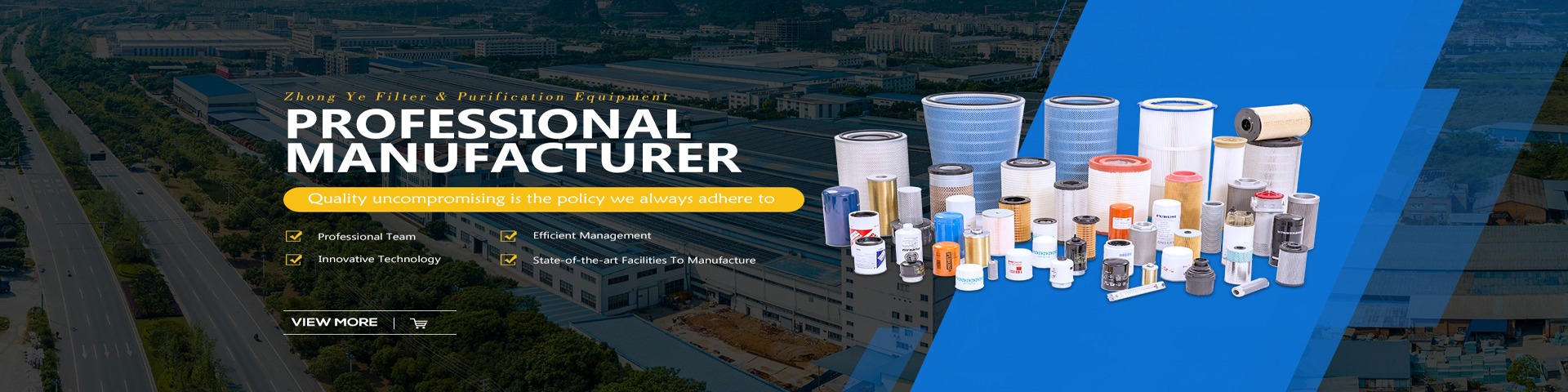
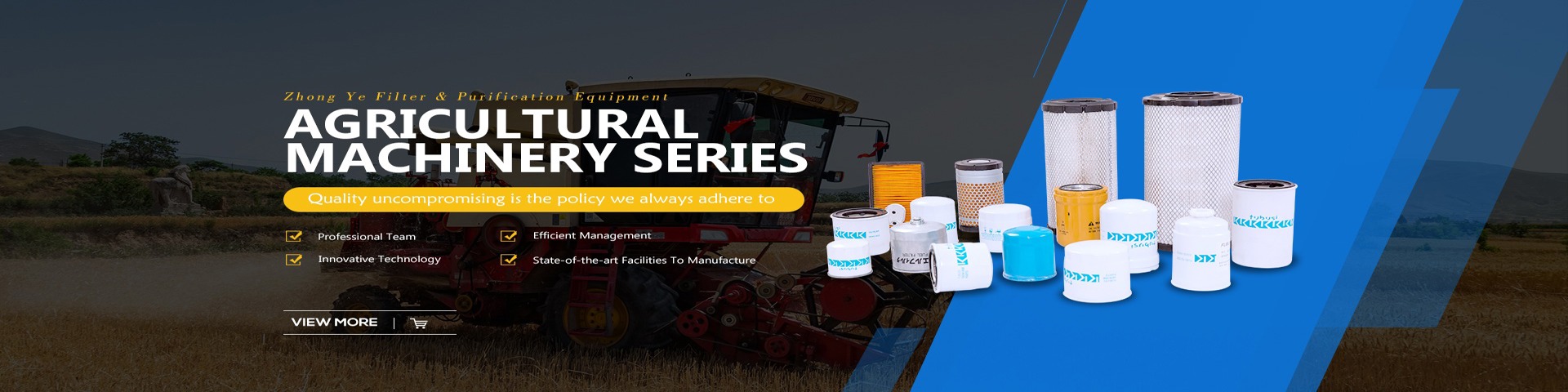
В современном промышленном мире, где оборудование играет ключевую роль в производственных процессах, обеспечение его надежности и долговечности является первостепенной задачей. Одним из наиболее важных компонентов, влияющих на бесперебойную работу гидравлических систем, являются гидравлические фильтры. Эти устройства, хотя и кажутся простыми на первый взгляд, выполняют критическую функцию: они защищают систему от загрязнений, которые могут привести к серьезным поломкам, снижению эффективности и дорогостоящему ремонту. В этой статье мы подробно рассмотрим, почему высококачественные гидравлические фильтры так важны, как они работают, и как их правильный выбор может значительно улучшить производительность вашего оборудования.
Гидравлические системы используются практически во всех отраслях промышленности: от строительства и сельского хозяйства до manufacturing и энергетики. Они обеспечивают передачу энергии через жидкость под давлением, что позволяет управлять тяжелыми механизмами с высокой точностью и мощностью. Однако, как и любая сложная система, гидравлика подвержена износу и повреждениям из-за внешних факторов, таких как загрязнение. Загрязнения в гидравлической жидкости могут включать частицы пыли, металлическую стружку, воду и другие примеси, которые поступают из окружающей среды или образуются в процессе работы оборудования. Именно здесь на помощь приходят гидравлические фильтры – незаменимые защитники, которые очищают жидкость и предотвращают катастрофические отказы.
Использование некачественных или неподходящих фильтров может привести к rapid degradation системы: увеличивается трение между движущимися частями, ускоряется износ компонентов, таких как насосы и клапаны, и в конечном итоге это выливается в частые простои, высокие затраты на ремонт и снижение общей продуктивности. Напротив, инвестиции в высококачественные фильтры окупаются многократно: они продлевают срок службы оборудования, уменьшают frequency обслуживания, и обеспечивают стабильную работу даже в самых demanding условиях. В этой статье мы углубимся в детали, объясняя, как выбрать лучшие фильтры, и представим практические советы для оптимизации ваших гидравлических систем.
Гидравлические фильтры функционируют на основе простого, но эффективного принципа: они пропускают гидравлическую жидкость через porous material, который задерживает загрязняющие частицы. Этот процесс может быть механическим, где частицы физически блокируются, или adsorptive, где примеси притягиваются к поверхности фильтра. Качество фильтра определяется его efficiency – способностью удалять частицы определенного размера – и capacity – объемом загрязнений, который он может удерживать before needing replacement.
Современные фильтры часто используют многослойные конструкции из materials like cellulose, glass fiber, or synthetic polymers, которые обеспечивают высокую степень очистки. Например, фильтр с rating 10 microns способен удалять частицы размером 10 micrometers и larger, что критически важно для защиты sensitive components like servo valves. Кроме того, некоторые фильтры incorporate bypass valves, которые позволяют жидкости обходить фильтр в случае засорения, предотвращая damage to the system from excessive pressure drop. Понимание этих принципов помогает выбрать фильтр, который не only очищает эффективно, но и integrates seamlessly into your hydraulic circuit.
Важно отметить, что работа фильтра не ограничивается only removal of solids; они также могут addressed dissolved contaminants, such as water or acids, through specialized designs. For instance, coalescing filters separate water from oil, while absorbent filters remove chemical impurities. Это делает гидравлические фильтры versatile tools for comprehensive fluid maintenance.
Существует несколько основных types гидравлических фильтров, каждый designed for specific applications and positions within the hydraulic system. Наиболее common types include suction filters, pressure filters, return line filters, and off-line filters. Suction filters installed on the inlet side of the pump protect it from large contaminants, but они могут cause pressure drops if not designed properly. Pressure filters, placed after the pump, handle high-pressure fluid and are crucial for protecting downstream components like valves and actuators. Return line filters clean fluid before it returns to the reservoir, preventing contamination accumulation. Off-line or bypass filters operate independently from the main system, allowing for continuous filtration without affecting system performance.
Выбор типа фильтра depends on factors such as system pressure, flow rate, fluid type, and the level of contamination expected. For example, in high-pressure systems, pressure filters must be robust and rated for the operating pressure to avoid failure. In mobile equipment, compact and easy-to-replace filters are preferred for maintenance convenience. Additionally, some industries require filters with specific certifications, such as ISO standards, to ensure compatibility and reliability.
Beyond these basic types, there are specialized filters for unique needs. Magnetic filters attract ferrous particles, enhancing protection in systems with metal components. Depth filters with graded density provide superior filtration for ultra-clean applications, such as in aerospace or medical equipment. Understanding these variations enables you to tailor your filtration strategy to your equipment's specific demands, maximizing uptime and efficiency.
Инвестиции в высококачественные гидравлические фильтры приносят numerous benefits that directly impact your bottom line. Во-первых, они significantly extend the lifespan of hydraulic components by reducing wear and tear. Clean fluid means less abrasion on pumps, cylinders, and motors, which translates to fewer breakdowns and lower replacement costs. Studies have shown that up to 80% of hydraulic system failures are caused by contamination, highlighting the critical role of effective filtration.
Во-вторых, качественные фильтры improve system efficiency and performance. Clean fluid maintains optimal viscosity and lubrication properties, ensuring smooth operation and precise control. This is especially important in applications requiring high accuracy, such as in robotics or precision machining. Moreover, efficient filtration reduces energy consumption by minimizing friction losses, leading to cost savings on power over time.
Третье преимущество – enhanced reliability and reduced downtime. With reliable filtration, you can schedule maintenance proactively rather than reactively, avoiding unexpected stoppages that disrupt production. This is crucial in industries where downtime costs thousands of dollars per hour. Additionally, high-quality filters often have longer service intervals, reducing the frequency of replacements and associated labor costs.
Наконец, использование premium filters contributes to environmental sustainability. By keeping fluid clean longer, they reduce the need for fluid changes and disposal, minimizing waste and environmental impact. Some filters are also designed for recyclability, aligning with green initiatives. Overall, the upfront cost of quality filters is quickly outweighed by the long-term savings and operational benefits.
Выбор правильного гидравлического фильтра involves considering several key criteria to ensure compatibility and effectiveness. Первый и foremost – filtration rating, which indicates the size of particles the filter can remove. Common ratings include absolute rating (the largest particle that can pass through) and nominal rating (an average efficiency). For critical applications, opt for filters with a low micron rating, such as 3-10 microns, to capture fine contaminants.
Второй критерий – flow capacity and pressure rating. The filter must handle the system's maximum flow rate without causing excessive pressure drop, which could starve components or reduce performance. Check the manufacturer's specifications for flow vs. pressure drop curves to ensure a good match. Similarly, the pressure rating must exceed the system's operating pressure to prevent structural failure.
Третий аспект – construction quality and materials. High-quality filters use durable materials resistant to corrosion, high temperatures, and chemical degradation. Look for features like robust housing, secure sealing, and easy installation designs. Additionally, consider the filter's dirt holding capacity – how much contaminant it can hold before needing replacement. A higher capacity means longer service life and lower maintenance frequency.
Other factors include compatibility with the hydraulic fluid type (e.g., mineral oil, synthetic fluid), environmental conditions (e.g., temperature extremes), and certification standards like ISO 16889 for performance testing. Consulting with experts or using selection tools from reputable manufacturers can simplify this process and ensure you choose a filter that meets your specific needs.
Современные гидравлические фильтры incorporate advanced technologies to enhance performance and usability. One key innovation is the use of synthetic media with controlled pore sizes, which provide consistent filtration efficiency and higher dirt capacity compared to traditional materials. For example, microglass media offers excellent capture of fine particles while maintaining low flow resistance.
Another advancement is the integration of sensors and IoT capabilities. Smart filters equipped with pressure sensors or particle counters can monitor contamination levels in real-time, sending alerts when maintenance is needed. This enables predictive maintenance, reducing the risk of unexpected failures and optimizing filter replacement schedules. Some systems even feature self-cleaning mechanisms, such as backwashing, which extend filter life and reduce manual intervention.
В области materials science, developments in nanotechnology have led to filters with nano-coated surfaces that repel water or attract specific contaminants, improving separation efficiency. Additionally, biodegradable filter elements are becoming more common, addressing environmental concerns without compromising performance.
These technical innovations not only improve filtration effectiveness but also make systems more user-friendly and cost-effective. By staying informed about the latest trends, you can leverage these advancements to keep your equipment running smoothly and efficiently.
Хотя высококачественные гидравлические фильтры may have a higher initial cost compared to budget options, their economic benefits are substantial. Calculate the return on investment (ROI) by considering factors like reduced downtime, lower repair costs, extended component life, and energy savings. For instance, if a quality filter prevents just one major breakdown, it can save thousands in repairs and lost production time.
Регулярный maintenance costs also decrease with better filters. Longer service intervals mean fewer replacements and less labor, while improved fluid cleanliness reduces the frequency of fluid changes. Over the lifespan of the equipment, these savings accumulate, often resulting in a payback period of less than a year for the investment in premium filtration.
Furthermore, reliable equipment enhances overall productivity and customer satisfaction, contributing to business growth. In industries with strict regulatory requirements, such as food processing or pharmaceuticals, using certified filters can avoid fines and reputational damage, adding another layer of economic benefit.
In summary, viewing filtration as a strategic investment rather than an expense can transform your operational efficiency and profitability. Case studies from various industries consistently show that companies that prioritize quality filtration experience lower total cost of ownership and higher equipment availability.
Чтобы максимизировать benefits высококачественных фильтров, proper installation and maintenance are essential. При установке, ensure the filter is oriented correctly according to flow direction markings, and use clean tools to avoid introducing contaminants. Tighten connections to the specified torque to prevent leaks, but avoid over-tightening, which can damage seals.
Регулярное обслуживание включает monitoring pressure differential across the filter – a significant increase indicates clogging and the need for replacement. Follow the manufacturer's recommendations for service intervals, but adjust based on actual operating conditions. For example, in dusty environments, filters may need more frequent changes.
При замене фильтра, always use genuine parts to maintain compatibility and performance. Dispose of used filters responsibly, following local regulations for hazardous waste. Additionally, consider implementing a fluid analysis program to track contamination levels and optimize maintenance schedules.
Training personnel on proper handling and procedures can prevent errors that lead to system contamination. By adopting these best practices, you can ensure that your filtration system operates at peak efficiency, protecting your equipment and investment.
В заключение, высококачественные гидравлические фильтры являются неотъемлемым компонентом для обеспечения бесперебойной работы вашего оборудования. Они защищают от загрязнений, продлевают срок службы компонентов, повышают эффективность и снижают эксплуатационные расходы. Выбирая фильтры с учетом технических критериев и инноваций, вы можете значительно улучшить производительность вашей гидравлической системы.
Не экономьте на качестве – инвестируйте в надежные решения, которые окупятся в виде reduced downtime, lower costs, and enhanced reliability. С сегодняшними advanced options, нет причин мириться с частыми поломками. Начните оптимизировать вашу систему уже сейчас, и ощутите разницу, которую могут сделать правильные фильтры.
Для получения дополнительной информации или консультации, свяжитесь с нашими экспертами. Мы поможем подобрать идеальные фильтры для ваших нужд и обеспечить бесперебойную работу вашего оборудования на долгие годы.
