Информационный центр
Текущее местоположение:Главная страница>
Информационный центр>
гидравлические фильтры как защита вашей системы от износа


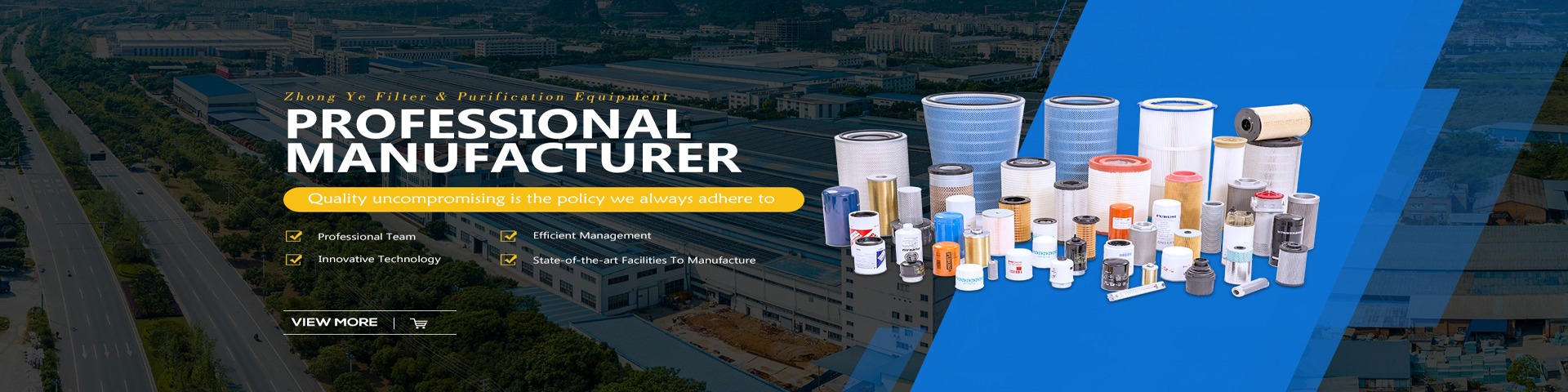
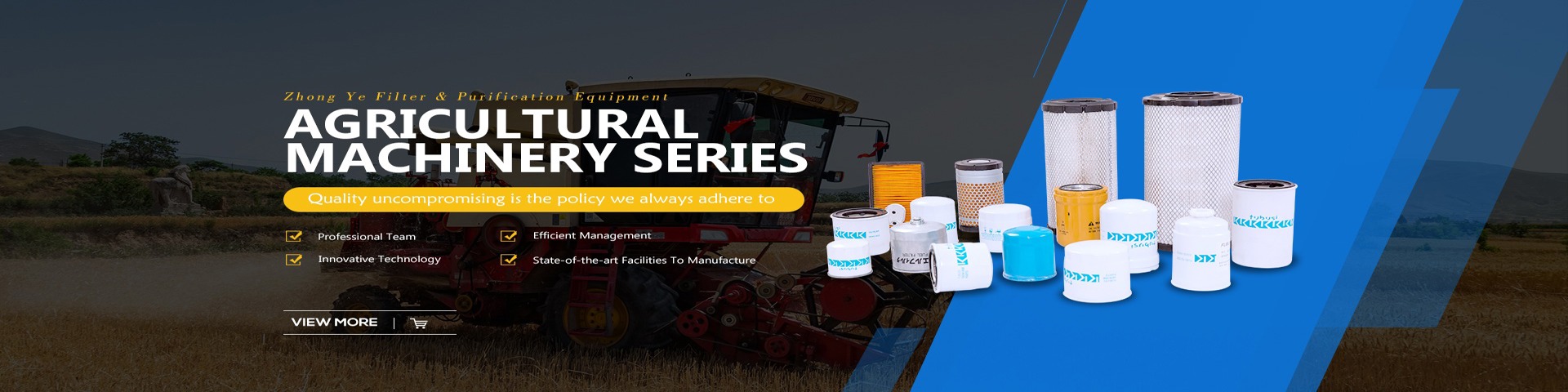
Гидравлические системы являются сердцем многих промышленных и мобильных машин, обеспечивая передачу энергии через жидкости под давлением. Однако, без надлежащей защиты эти системы подвержены быстрому износу, что приводит к дорогостоящим простоям и ремонтам. В этой статье мы подробно исследуем, как гидравлические фильтры служат ключевым элементом в предотвращении износа, продлевая срок службы оборудования и повышая его эффективность. Мы рассмотрим различные типы фильтров, их принципы работы, преимущества, а также дадим практические советы по выбору и обслуживанию. Если вы инженер, техник или просто владелец оборудования, эта информация поможет вам сделать informed decisions и сэкономить ресурсы.
Гидравлические системы широко используются в таких областях, как строительство, сельское хозяйство, авиация и производство, благодаря их способности передавать большие усилия с высокой точностью. Основными компонентами этих систем являются насосы, цилиндры, клапаны и, конечно, гидравлическая жидкость. Жидкость не только передает энергию, но и выполняет функции смазки и охлаждения. Однако, она легко загрязняется частицами износа, пылью, водой и другими примесями, которые могут поступать из внешней среды или образовываться внутри системы в результате трения и коррозии.
Загрязнение является главной причиной износа гидравлических систем. Частицы размером всего в несколько микрон могут вызывать абразивный износ, заедание клапанов, снижение эффективности насосов и даже катастрофические отказы. Например, исследование показало, что до 80% отказов гидравлических систем связаны с загрязнением жидкости. Это не только увеличивает затраты на ремонт, но и приводит к потерям производительности и безопасности. Поэтому, эффективная фильтрация становится не просто опцией, а необходимостью для любого серьезного оборудования.
В этом контексте гидравлические фильтры emerge as a critical defense mechanism. Они designed to remove contaminants from the fluid, ensuring that it remains clean and functional throughout its lifecycle. By investing in quality filters, you can significantly reduce the rate of wear, extend the life of components, and maintain optimal performance. This article will delve into the science behind filtration, explore different filter types, and provide actionable insights to help you protect your system.
Гидравлические фильтры come in various types, each suited for specific applications and levels of filtration. Understanding these types is essential for selecting the right filter for your system. The main categories include suction filters, pressure filters, return line filters, and off-line filters. Suction filters are installed on the suction side of the pump and are designed to protect the pump from large contaminants. They typically have a coarse filtration rating and are easy to maintain. However, they can cause cavitation if not properly sized, so it's important to choose one that matches your system's flow rate.
Pressure filters, on the other hand, are placed on the pressure side of the system and can handle higher pressures. They are effective at removing fine particles that could damage sensitive components like valves and actuators. These filters often have a higher efficiency but may require more frequent replacement due to the high pressure and contaminant load. Return line filters are installed in the return line to the reservoir and are excellent for capturing wear particles generated within the system. They help keep the reservoir clean and are relatively easy to service.
Off-line filters, also known as kidney-loop filters, operate independently from the main hydraulic circuit. They continuously filter fluid from the reservoir, making them ideal for systems that require ultra-clean fluid or for maintenance during operation. Each type has its pros and cons, and the choice depends on factors such as system design, contaminant types, and operational conditions. For instance, in a mobile hydraulic system like an excavator, a combination of suction and return filters might be used, while in a high-precision industrial machine, pressure and off-line filters could be prioritized.
Additionally, filters can be classified based on their media, such as depth filters, surface filters, and membrane filters. Depth filters use a porous material to trap particles throughout their structure, making them good for high dirt-load applications. Surface filters, like screen filters, capture particles on the surface and are easier to clean but may clog quickly. Membrane filters offer the finest filtration but are more expensive and suitable for critical applications. By selecting the appropriate type and media, you can tailor the filtration to your system's needs, maximizing protection against wear.
The working principle of hydraulic filters is based on mechanical separation, where contaminants are physically removed from the fluid as it passes through the filter media. The efficiency of a filter is measured by its beta ratio, which indicates the ratio of particles upstream to downstream. A higher beta ratio means better filtration. For example, a beta ratio of 75 at 10 microns means that for every 75 particles of 10 microns size entering the filter, only one passes through, resulting in 98.7% efficiency. This metric is crucial for evaluating filter performance and ensuring it meets the cleanliness standards required by your system.
Filters also incorporate elements like bypass valves, which open when the filter becomes clogged, allowing fluid to bypass the media to prevent system damage. However, this can lead to unfiltered fluid circulating, so it's important to monitor filter condition and replace it before bypass occurs. Another key aspect is the dirt-holding capacity, which determines how much contaminant a filter can hold before it needs replacement. Filters with higher capacity reduce maintenance frequency and costs.
In practice, the filtration process involves multiple stages. Coarse filters remove large particles first, followed by fine filters for smaller contaminants. This multi-stage approach is common in complex systems to achieve optimal cleanliness. Moreover, modern filters often include indicators like visual or electronic sensors to alert users when replacement is needed, enhancing reliability and ease of use. By understanding these principles, you can better appreciate how filters protect your system and make informed choices about their implementation.
Investing in high-quality hydraulic filters offers numerous benefits that directly contribute to reducing wear and extending system life. First and foremost, filters prevent abrasive wear by removing particles that cause scoring and erosion of components. This leads to longer component life, reduced downtime, and lower repair costs. For example, studies have shown that proper filtration can extend the life of hydraulic pumps by up to 10 times, which is a significant saving in capital and operational expenses.
Secondly, filters help maintain fluid cleanliness, which is essential for efficient operation. Clean fluid ensures proper lubrication, reduces friction, and improves overall system efficiency. This can result in energy savings, as less power is wasted on overcoming increased friction due to contamination. Additionally, clean fluid reduces the risk of corrosion and oxidation, further protecting the system from degradation.
Thirdly, filters enhance system reliability and safety. By preventing failures caused by contamination, they reduce the likelihood of unexpected breakdowns, which can be hazardous in applications like construction or aviation. This reliability also translates to better productivity, as equipment can operate continuously without interruptions. Furthermore, using filters can help meet industry standards and regulations for fluid cleanliness, which is often required in sectors like aerospace and medical equipment manufacturing.
Lastly, filters contribute to environmental sustainability by extending the life of hydraulic fluid. With effective filtration, fluid lasts longer, reducing the need for frequent changes and disposal, which minimizes environmental impact. Overall, the advantages of hydraulic filters are clear: they are a cost-effective solution for protecting your investment and ensuring long-term performance.
Selecting the right hydraulic filter involves considering several factors to ensure it matches your system's requirements. Start by analyzing the system's operating conditions, such as pressure, flow rate, temperature, and the types of contaminants expected. For instance, in a dusty environment, you might need a filter with high dirt-holding capacity and fine filtration to handle abrasive particles. Consult the equipment manufacturer's recommendations for filter specifications, as they often provide guidelines based on testing and experience.
Next, evaluate the filter's performance characteristics, including its filtration rating (e.g., micron size), beta ratio, and dirt-holding capacity. Aim for a filter that can achieve the cleanliness level required by your system's components. ISO cleanliness codes, such as ISO 4406, are commonly used to define fluid cleanliness levels. For example, a system with sensitive valves might require ISO 16/14/11 or better, which corresponds to very low particle counts.
Consider the filter's construction and materials. Look for filters made from durable materials that can withstand the system's pressure and chemical compatibility with the hydraulic fluid. Also, check for features like anti-drainback valves, which prevent fluid from draining back when the system is off, reducing dry starts and wear. Ease of maintenance is another important factor; choose filters that are easy to access and replace to minimize downtime.
Finally, factor in cost and availability. While it might be tempting to go for cheaper options, investing in a reputable brand with proven reliability can save money in the long run by reducing failures and maintenance costs. Read reviews, consult with experts, and possibly test different filters in your system to find the best fit. Remember, the goal is to achieve a balance between performance, cost, and durability to maximize protection against wear.
Proper maintenance of hydraulic filters is crucial to ensure they continue to protect your system effectively. Regular inspection and replacement are key. Most filters have a recommended service interval based on operating hours or fluid condition, but it's wise to monitor them actively. Use particle counters or visual inspections to check fluid cleanliness and filter condition. If the filter indicator shows clogging or if pressure drop across the filter increases significantly, it's time for a replacement.
When replacing a filter, always use genuine or high-quality replacement parts to avoid compatibility issues. Before installation, clean the area around the filter housing to prevent introducing new contaminants. Follow the manufacturer's instructions for torque settings and procedures to ensure a proper seal. After replacement, purge the system if necessary to remove air and check for leaks.
In addition to filter replacement, maintain the overall hydraulic system by regularly checking fluid levels, quality, and conducting oil analysis. Oil analysis can detect early signs of wear or contamination, allowing proactive maintenance. Keep records of filter changes and system performance to track trends and optimize maintenance schedules.
Neglecting filter maintenance can lead to reduced filtration efficiency, increased wear, and potential system failures. By staying vigilant and adhering to a maintenance plan, you can extend the life of both the filters and the entire hydraulic system, ensuring reliable operation and cost savings.
To illustrate the importance of hydraulic filters, let's look at some real-world examples. In the construction industry, a company using excavators experienced frequent pump failures due to contaminated fluid. After installing high-efficiency return line filters and implementing a regular maintenance schedule, pump life increased by 200%, and downtime decreased by 50%. This not only saved costs but also improved project timelines.
In another case, an aerospace manufacturer had issues with hydraulic valves failing prematurely. Analysis revealed that the existing filters were not fine enough to capture small wear particles. By upgrading to membrane filters with a beta ratio of 1000 at 3 microns, they achieved the required cleanliness level, reducing valve replacements by 80% and enhancing aircraft safety.
These examples show how tailored filtration solutions can address specific challenges and deliver tangible benefits. Whether in heavy machinery or precision equipment, the right filters make a significant difference in preventing wear and ensuring longevity.
Гидравлические фильтры являются незаменимым инструментом в защите вашей системы от износа. Путем удаления загрязнений они продлевают срок службы компонентов, повышают эффективность и надежность, и снижают эксплуатационные расходы. Выбор правильного фильтра, основанный на понимании типов, принципов работы и преимуществ, может существенно повлиять на производительность вашего оборудования. Регулярное обслуживание и замена ensure continuous protection. Invest in quality filtration today to safeguard your hydraulic systems for the future.
Если у вас есть вопросы или нужна помощь в подборе фильтров, обращайтесь к нашим экспертам. Защитите свою систему – выберите надежные гидравлические фильтры!
