Информационный центр
Текущее местоположение:Главная страница>
Информационный центр>
Гидравлические фильтры для надежности вашего оборудования


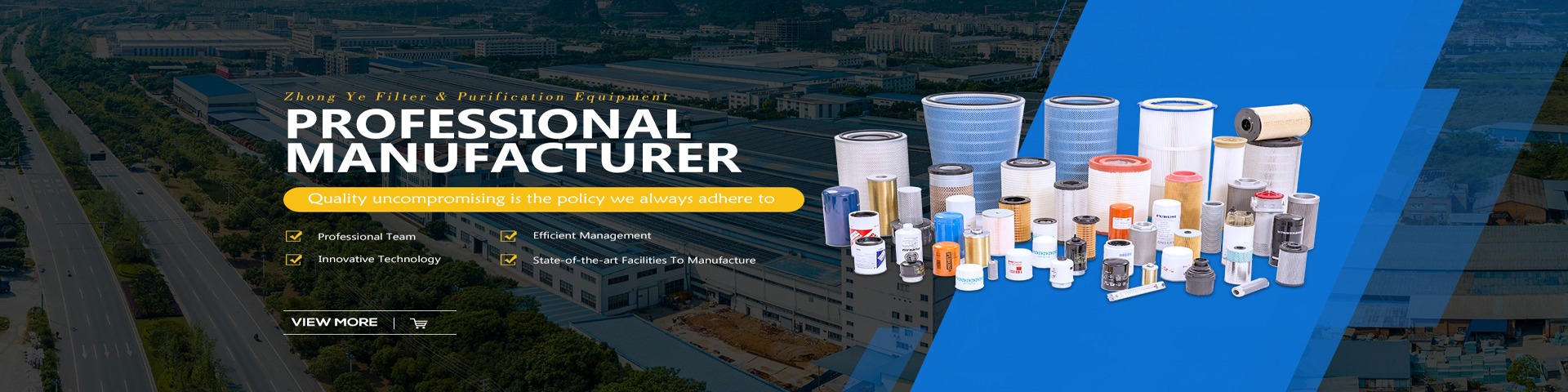
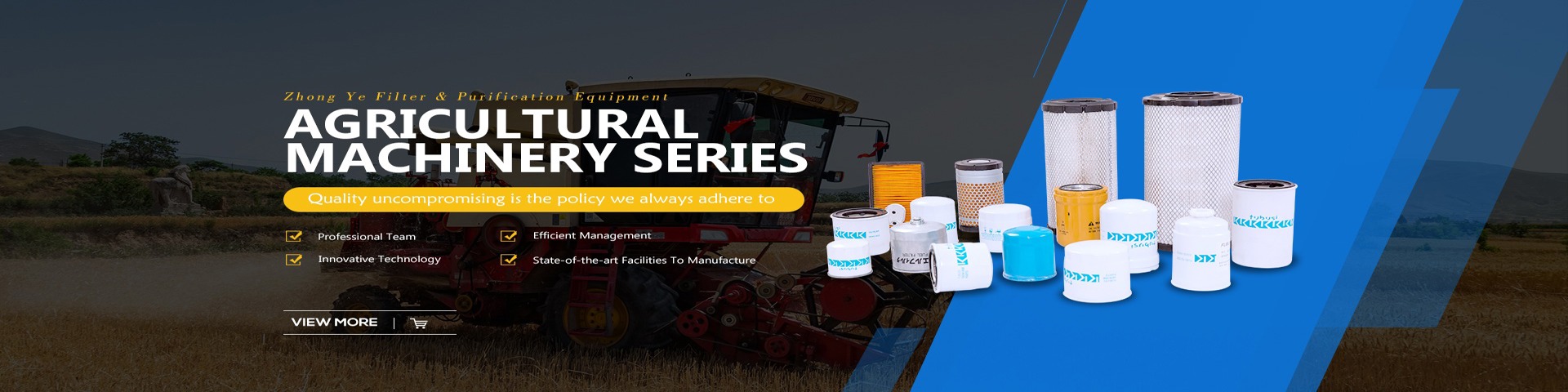
В современном промышленном мире надежность оборудования является не просто желательным атрибутом, а критическим фактором, определяющим успех и рентабельность любого предприятия. От бесперебойной работы гидравлических систем зависит функционирование огромного количества машин и механизмов: от строительной техники и сельскохозяйственных агрегатов до производственных линий и аэрокосмической индустрии. Сердцем этих систем часто выступают гидравлические фильтры – незаметные, но незаменимые компоненты, которые играют ключевую роль в обеспечении долговечности, эффективности и безопасности всего оборудования. В этой статье мы глубоко погрузимся в мир гидравлических фильтров, раскроем их значение, принципы работы, типы, преимущества и практические аспекты выбора и обслуживания. Вы узнаете, как правильный подход к фильтрации может кардинально повысить надежность вашего оборудования, снизить эксплуатационные расходы и предотвратить катастрофические поломки.
Гидравлические системы являются основой многих промышленных процессов, передавая энергию через жидкость под давлением. Однако, даже самая совершенная гидравлическая система уязвима к загрязнениям: частицы пыли, металлическая стружка, продукты износа и другие примеси могут накапливаться в гидравлической жидкости, приводя к абразивному износу компонентов, засорению клапанов, снижению эффективности и, в конечном итоге, к полному отказу оборудования. Статистика показывает, что более 70% отказов гидравлических систем вызваны загрязнением жидкости. Здесь на сцену выходят гидравлические фильтры – устройства, предназначенные для удаления загрязнений из гидравлической жидкости, тем самым защищая чувствительные компоненты системы. Их роль невозможно переоценить: они не только продлевают срок службы оборудования, но и обеспечивают стабильность работы, снижают частоту ремонтов и экономят значительные средства. В эпоху, когда downtime (время простоя) обходится компаниям в тысячи долларов в час, инвестиции в качественную фильтрацию становятся не просто оправданными, а необходимыми для поддержания конкурентного преимущества.
Гидравлические фильтры работают на основе простого, но эффективного принципа: они пропускают гидравлическую жидкость через фильтрующий элемент, который задерживает твердые частицы определенного размера. Основные компоненты типичного гидравлического фильтра включают корпус, фильтрующий элемент (часто из бумаги, сетки или синтетических материалов) и уплотнения для предотвращения утечек. Жидкость поступает в фильтр, проходит через элемент, где загрязнения отсеиваются, и выходит очищенной. Эффективность фильтра определяется его номинальным и абсолютным micron rating (микронный рейтинг), который указывает размер частиц, которые он может задержать. Например, фильтр с рейтингом 10 микрон удаляет частицы размером 10 микрон и крупнее. Кроме того, важным параметром является beta ratio (бета-коэффициент), который показывает способность фильтра задерживать частицы определенного размера по сравнению с исходным загрязнением. Высокий beta ratio означает высокую эффективность. Фильтры могут быть установлены в various locations in the hydraulic system: на suction line (всасывающей линии), pressure line (напорной линии) или return line (линии возврата), каждый из которых выполняет специфические функции. Понимание этих принципов помогает выбрать правильный фильтр для конкретных условий эксплуатации.
Существует несколько типов гидравлических фильтров, каждый разработанный для определенных применений и условий. Основные типы включают: 1. Всасывающие фильтры (Suction filters): Устанавливаются на входе в насос и защищают его от крупных частиц. Они обычно имеют низкий micron rating и designed to handle high flow rates with low pressure drop. 2. Напорные фильтры (Pressure filters): Расположены после насоса и designed to withstand high pressures. Они эффективно удаляют мелкие частицы, защищая чувствительные компоненты, такие as valves and actuators. 3. Возвратные фильтры (Return filters): Устанавливаются на линии возврата жидкости в бак и often include options for cooling or deaeration. Они идеальны for capturing wear particles generated during operation. 4. Бreather filters (Фильтры дыхательные): Устанавливаются на гидравлический бак to prevent contaminants from entering through the air vent. Кроме того, фильтры могут быть classified by their construction: spin-on filters (легко заменяемые), cartridge filters (сменные элементы), or magnetic filters (для улавливания metallic particles). Выбор типа зависит от such factors as system pressure, flow rate, level of contamination, and maintenance requirements. Например, в high-pressure systems предпочтительны напорные фильтры, while в systems with frequent maintenance могут быть удобны spin-on types.
Инвестиции в высококачественные гидравлические фильтры приносят множество преимуществ, которые directly impact the reliability and efficiency of equipment. Во-первых, они significantly extend the service life of hydraulic components by reducing wear and tear. Это leads to fewer breakdowns and lower replacement costs. Во-вторых, очищенная жидкость maintains optimal viscosity and lubricating properties, ensuring smooth operation and energy efficiency. Studies show that clean hydraulic fluid can improve system efficiency by up to 10%, reducing energy consumption. В-третьих, фильтры enhance safety by preventing failures that could lead to accidents, especially in critical applications like construction or aviation. Кроме того, они reduce maintenance downtime: regular filter changes are quicker and cheaper than major repairs. С экономической точки зрения, although initial costs may be higher, the long-term savings on repairs, energy, and downtime make quality filters a wise investment. For example, a case study in the manufacturing industry showed that implementing advanced filtration reduced maintenance costs by 30% and increased equipment uptime by 15%. Таким образом, преимущества выходят далеко за рамки простой защиты – они способствуют overall operational excellence.
Выбор правильного гидравлического фильтра is critical for maximizing reliability. Several factors must be considered: 1. Micron rating: Determine the size of particles that need to be removed based on system sensitivity. For general protection, a 10-micron filter might suffice, but for high-precision systems, a 3-micron or lower may be required. 2. Flow rate and pressure: Ensure the filter can handle the system's maximum flow and pressure without causing excessive pressure drop, which could reduce efficiency. 3. Compatibility: The filter must be compatible with the hydraulic fluid type (e.g., mineral oil, synthetic fluid) to avoid degradation. 4. Environment: Consider operating conditions such as temperature, humidity, and potential contaminants. 5. Maintenance: Opt for filters with easy replacement features if frequent maintenance is anticipated. Additionally, consult manufacturer recommendations and industry standards (e.g., ISO 4406 for cleanliness levels). It's also wise to perform oil analysis periodically to monitor contamination levels and adjust filtration accordingly. For instance, in a dusty construction environment, a filter with a higher dirt-holding capacity might be preferable. Ultimately, partnering with a reputable supplier can provide tailored solutions and technical support.
Proper installation and maintenance are essential for the effectiveness of hydraulic filters. During installation, ensure that the filter is mounted in the correct orientation and location as per system design. Use clean tools and avoid introducing contaminants. Tighten connections to the specified torque to prevent leaks. For maintenance, establish a regular schedule based on operating hours or oil analysis results. Typical maintenance includes: 1. Visual inspections for damage or leaks. 2. Monitoring pressure drop across the filter: a significant increase indicates clogging and need for replacement. 3. Replacing filter elements at recommended intervals – do not exceed them as a clogged filter can bypass contaminants or cause damage. 4. Disposing of used filters and oil responsibly to protect the environment. Additionally, keep records of maintenance activities to track performance and plan ahead. Training personnel on proper procedures is crucial; for example, always depressurize the system before replacing a filter to avoid injuries. In high-reliability applications, consider using filter condition indicators or automated systems for real-time monitoring. Regular maintenance not only ensures filter performance but also provides insights into overall system health, allowing for proactive measures.
To illustrate the impact of hydraulic filters, let's explore some real-world examples. In the agriculture sector, a farm using harvesters experienced frequent breakdowns due to contaminated hydraulic fluid. After upgrading to high-efficiency return filters with a 5-micron rating, they saw a 40% reduction in downtime and a 20% increase in equipment lifespan. In manufacturing, a metal pressing plant had issues with valve failures. Implementation of pressure filters reduced particle contamination to ISO 16/14/11 levels, elimination valve problems and saving over $50,000 annually in repairs. In the aviation industry, hydraulic systems in aircraft require extreme reliability. Use of advanced multi-stage filtration has been shown to prevent in-flight failures, enhancing safety. Another case in the mining industry: heavy machinery operating in abrasive environments benefited from magnetic filters that captured ferrous particles, reducing pump wear by 60%. These examples demonstrate that tailored filtration solutions can address specific challenges, delivering tangible benefits in reliability, cost savings, and safety across various sectors.
The field of hydraulic filtration is evolving with advancements in technology. Future trends include: 1. Smart filters: Integration of sensors for real-time monitoring of contamination levels, pressure drop, and filter condition, enabling predictive maintenance and reducing unplanned downtime. 2. Nanofiltration: Development of filters with nanometer-scale pores for ultra-fine filtration, suitable for high-precision applications like medical devices or aerospace. 3. Eco-friendly materials: Use of biodegradable or recyclable filter materials to minimize environmental impact. 4. Energy-efficient designs: Filters with lower pressure drop to reduce energy consumption in hydraulic systems. 5. IoT connectivity: Filters that can communicate data to central systems for automated maintenance scheduling and analysis. Additionally, research is focused on improving dirt-holding capacity and compatibility with new types of hydraulic fluids, such as fire-resistant or bio-based oils. These innovations promise to further enhance reliability and efficiency, making hydraulic systems more sustainable and cost-effective. As industries move towards Industry 4.0, intelligent filtration will become a key component of smart manufacturing ecosystems.
В заключение, гидравлические фильтры являются незаменимым элементом для обеспечения надежности вашего оборудования. Они защищают от загрязнений, продлевают срок службы компонентов, снижают эксплуатационные расходы и повышают безопасность. Путем выбора подходящего типа, правильной установки и регулярного обслуживания, вы можете максимизировать отдачу от ваших гидравлических систем. Не экономьте на качестве – инвестиции в передовые фильтры окупаются многократно через increased uptime, reduced repairs, and enhanced performance. В мире, где надежность определяет конкурентоспособность, гидравлические фильтры – это ваш страховой полис against failures. Embrace the advancements in filtration technology and make them a cornerstone of your maintenance strategy. Your equipment – and your bottom line – will thank you.
