Информационный центр
Текущее местоположение:Главная страница>
Информационный центр>
Почему гидравлический фильтр так важен для работы системы


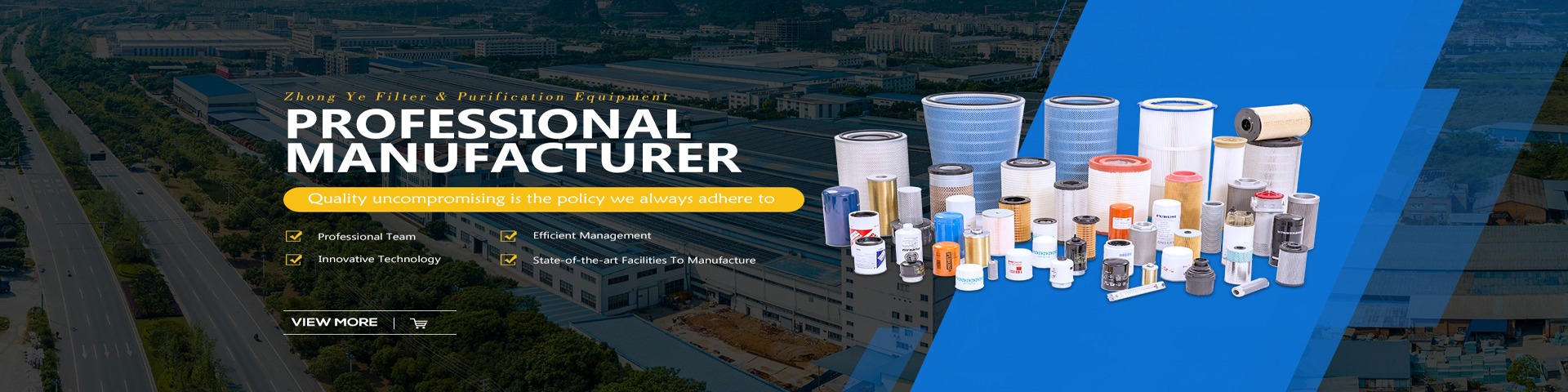
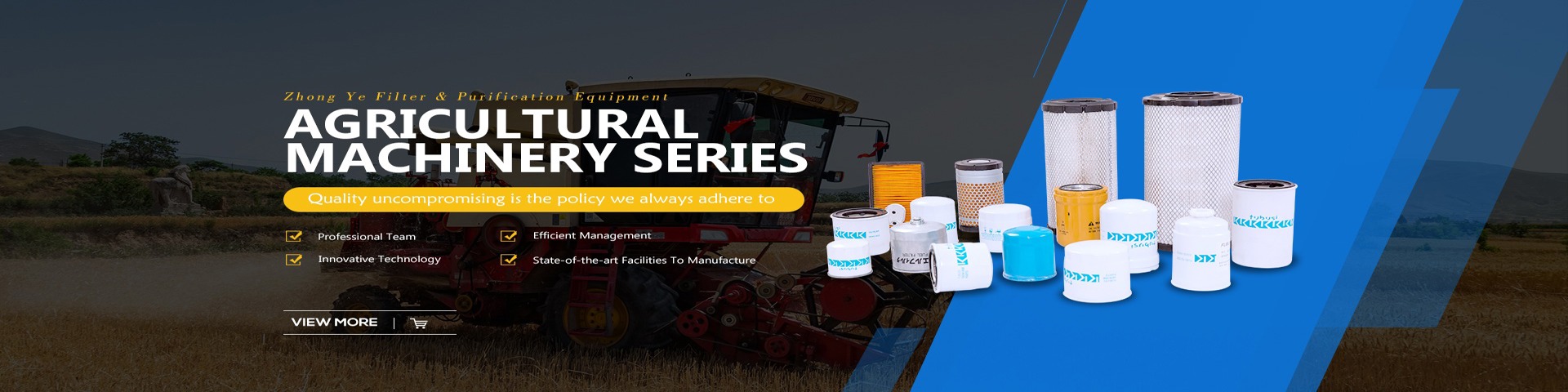
Гидравлические системы являются неотъемлемой частью современной промышленности, строительства, сельского хозяйства и многих других отраслей. Они обеспечивают мощь, точность и надежность в таких устройствах, как экскаваторы, прессы, станки и даже в авиационной технике. Однако сердцем этих систем часто остается незамеченным, но критически важным компонентом – гидравлический фильтр. В этой статье мы углубимся в детали, объясняя, почему гидравлический фильтр так важен для работы всей системы, и почему пренебрежение им может привести к катастрофическим последствиям.
Гидравлическая система работает на основе передачи энергии через жидкость под давлением. Это позволяет создавать огромные силы с минимальными усилиями, что делает ее идеальной для тяжелых задач. Однако эта эффективность comes at a cost: система highly susceptible to contamination. Загрязнения, такие как частицы пыли, металлическая стружка, вода или химические примеси, могут проникать в жидкость из различных источников – во время производства, сборки, эксплуатации или даже из-за износа внутренних компонентов.
Без надлежащей фильтрации эти загрязнения быстро накапливаются, создавая абразивную среду, которая ускоряет износ деталей, таких как насосы, клапаны и цилиндры. Это не только снижает производительность, но и увеличивает риск внезапных отказов, приводящих к дорогостоящему простою и ремонтам. Здесь на сцену выходит гидравлический фильтр – скромный, но могущественный защитник, который удаляет эти вредные частицы и поддерживает чистоту гидравлической жидкости.
Гидравлический фильтр выполняет несколько ключевых функций, каждая из которых вносит вклад в общую важность системы. Во-первых, он physically traps contaminants, preventing them from circulating through the system. Modern filters are designed with fine meshes or media that can capture particles as small as a few micrometers, ensuring that even microscopic debris is removed.
Во-вторых, фильтр helps maintain the viscosity and chemical properties of the hydraulic fluid. Загрязнения can alter the fluid's characteristics, leading to reduced lubrication, increased friction, and even chemical reactions that degrade the fluid. By keeping the fluid clean, the filter preserves its ability to lubricate moving parts, transfer heat, and transmit pressure effectively.
В-третьих, фильтр contributes to system efficiency. A clean system operates with lower energy losses because there is less resistance from contaminant-induced friction. This translates to better performance, lower fuel or power consumption, and reduced operational costs over time.
Чтобы fully appreciate the importance of a hydraulic filter, it's essential to consider what happens without one. In an unfiltered system, contaminants accumulate rapidly, leading to a cascade of problems. For example, abrasive particles can score the surfaces of pumps and valves, causing leaks and reduced pressure. Water contamination can lead to corrosion, which weakens metal components and introduces rust particles into the fluid.
In extreme cases, the system can overheat due to increased friction, potentially causing thermal degradation of the fluid and even fires in severe scenarios. Moreover, clogged or bypassed filters can result in sudden pressure drops, leading to system failure during critical operations. This is particularly dangerous in applications like aviation or heavy machinery, where failures can have safety implications.
Statistics from industry studies show that up to 70-80% of hydraulic system failures are directly related to contamination. This highlights the preventive role of filters: by investing in proper filtration, businesses can avoid costly downtime, extend equipment life, and ensure operational safety.
Гидравлические фильтры come in various types, each suited to specific applications. Suction filters are installed on the inlet side of the pump to protect it from large debris. Pressure filters are placed after the pump to handle high-pressure flows and remove finer particles. Return line filters clean the fluid as it returns to the reservoir, capturing wear particles generated during operation.
Additionally, there are off-line filtration systems that continuously clean the fluid independent of the main circuit, ideal for critical systems requiring ultra-clean fluid. The choice of filter depends on factors like system pressure, flow rate, fluid type, and the level of contamination expected. For instance, in mobile equipment like excavators, robust and easy-to-service filters are preferred, while in precision machinery, high-efficiency filters with beta ratios above 200 are used to ensure minimal particle passage.
Understanding these types helps in selecting the right filter for the job, further emphasizing its importance. A mismatched or inferior filter can be as bad as no filter at all, as it may not provide adequate protection or could itself become a source of contamination if it fails.
Важность гидравлического фильтра extends beyond technical performance to economic and environmental benefits. By preventing premature wear, filters reduce the need for frequent component replacements, saving money on parts and labor. They also minimize fluid changes, as clean fluid lasts longer, reducing waste and disposal costs. This aligns with sustainable practices, as less frequent fluid disposal means lower environmental impact.
In terms of total cost of ownership, a well-maintained filtration system can pay for itself many times over by avoiding major repairs. For example, in a manufacturing plant, a single hydraulic failure can halt production, resulting in losses of thousands of dollars per hour. The filter acts as an insurance policy against such events.
Furthermore, modern filters are often designed for recyclability or easy disposal, contributing to circular economy initiatives. Companies that prioritize filtration not only improve reliability but also enhance their corporate responsibility profile.
To maximize the benefits of a hydraulic filter, regular maintenance is crucial. This includes monitoring pressure differentials across the filter – a significant increase indicates clogging and the need for replacement. Fluid analysis can help detect contamination levels early, allowing proactive filter changes.
It's also important to use high-quality filters from reputable manufacturers, as cheap alternatives may have inconsistent performance or shorter lifespans. Training operators on the importance of filtration and establishing a maintenance schedule can prevent neglect that leads to failures.
In summary, the hydraulic filter is not just an accessory but a vital component that ensures the longevity, efficiency, and safety of hydraulic systems. Ignoring it is a risk that no operation should take. By understanding its role and maintaining it properly, users can enjoy smoother operations, lower costs, and peace of mind.
В заключение, гидравлический фильтр – это незаменимый элемент, который защищает инвестиции в оборудование и ensures uninterrupted performance. Его важность cannot be overstated, and it deserves attention in every hydraulic system design and maintenance plan.
