Информационный центр
Текущее местоположение:Главная страница>
Информационный центр>
Когда стоит заменить промышленные воздушные фильтры на вашем заводе


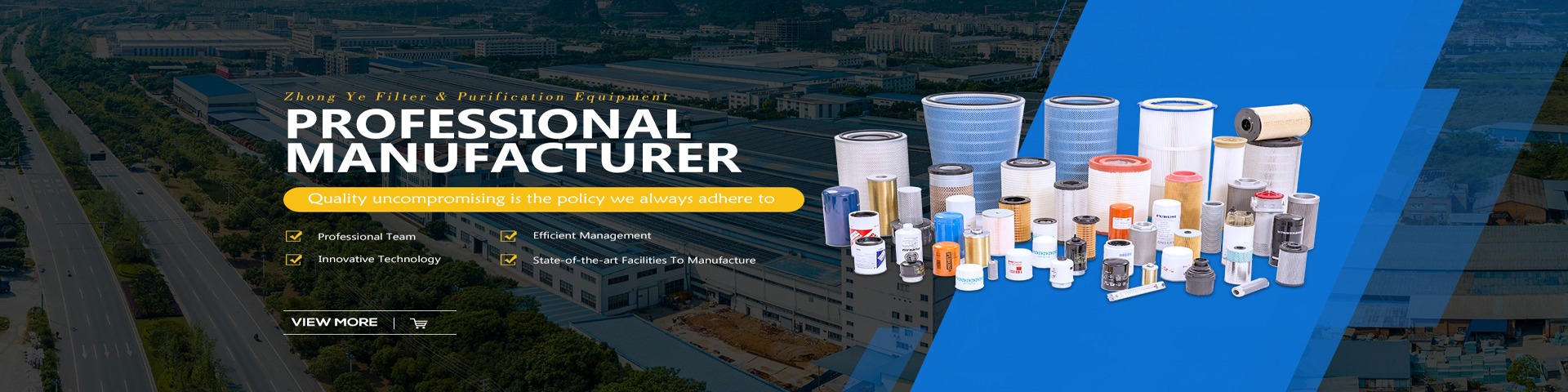
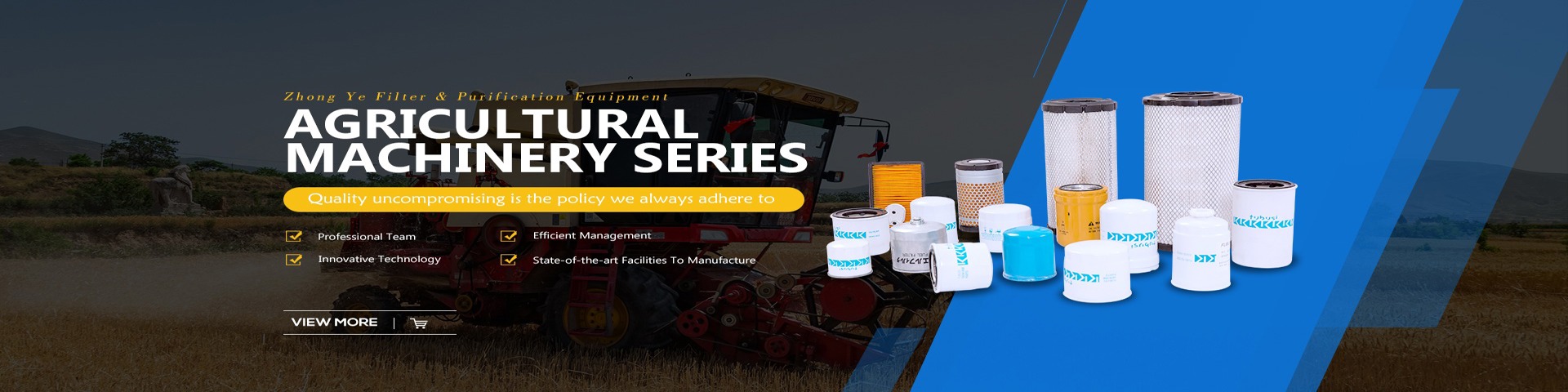
В современном промышленном мире эффективность и надежность оборудования играют ключевую роль в обеспечении непрерывного производства и минимизации простоев. Одним из критически важных компонентов многих промышленных систем являются воздушные фильтры, которые защищают оборудование от загрязнений, улучшают качество воздуха и способствуют соблюдению экологических норм. Однако многие предприятия сталкиваются с вопросом: когда именно следует заменять эти фильтры, чтобы избежать неожиданных сбоев и maximize производительность? В этой статье мы подробно рассмотрим факторы, влияющие на срок службы промышленных воздушных фильтров, методы мониторинга их состояния, и предоставим практические рекомендации для своевременной замены. Мы также обсудим, как правильное обслуживание фильтров может повлиять на общую эффективность завода, снизить операционные расходы и внести вклад в устойчивое развитие.
Промышленные воздушные фильтры — это устройства, предназначенные для удаления частиц, пыли, газов и других загрязнений из воздуха, используемого в различных процессах на заводах. Они устанавливаются в системах вентиляции, кондиционирования, компрессорах, и других оборудовании, где чистота воздуха至关重要 для предотвращения износа механизмов, обеспечения безопасности работников и соблюдения environmental regulations. Типы фильтров vary в зависимости от применения: например, HEPA-фильтры для высокоэффективной очистки, угольные фильтры для удаления запахов и газов, или простые механические фильтры для грубой очистки. Understanding the specific role of filters on your plant is the first step towards determining when to replace them.
Срок службы промышленного воздушного фильтра зависит от множества факторов, включая тип фильтра, условия эксплуатации, уровень загрязнения воздуха, и frequency of use. Например, в среде с высоким содержанием пыли, фильтры могут засоряться быстрее, требуя более частой замены. Additionally, improper installation or maintenance can accelerate wear. Key indicators of wear include increased pressure drop across the filter, reduced airflow, visible dirt accumulation, or changes in air quality measurements. Monitoring these factors regularly can help predict when replacement is needed, avoiding sudden failures that could lead to costly downtime or equipment damage.
To ensure timely replacement, plants should implement robust monitoring systems. This can involve manual inspections, where technicians check filters for visual signs of wear, or automated systems that use sensors to measure pressure differentials, airflow rates, or particle counts. For instance, installing differential pressure gauges can provide real-time data on filter condition, alerting staff when values exceed predefined thresholds. Regular testing of air quality, such as using particle counters or gas analyzers, can also indicate when filters are no longer effective. By combining these methods, plants can move from reactive maintenance to a proactive approach, scheduling replacements based on actual condition rather than fixed time intervals, which often leads to optimizations in cost and efficiency.
Timely replacement of industrial air filters offers numerous benefits. Firstly, it ensures that equipment operates at peak efficiency, reducing energy consumption—since clogged filters force systems to work harder, increasing power usage. Secondly, it extends the lifespan of machinery by preventing contaminants from causing abrasion or corrosion. Thirdly, it improves workplace safety and health by maintaining good air quality, which is essential for employee well-being and compliance with occupational safety standards. Moreover, in industries with strict environmental regulations, such as pharmaceuticals or food processing, proper filter maintenance helps avoid fines and reputational damage. Overall, investing in regular filter replacement can lead to significant long-term savings and enhanced productivity.
Based on industry best practices, here are some actionable tips for determining when to replace filters on your plant: Start by consulting the manufacturer's guidelines, which often provide recommended replacement intervals based on typical usage. However, adapt these to your specific conditions—for example, if your plant is located in a dusty area, shorten the intervals. Implement a preventive maintenance schedule that includes regular inspections and record-keeping to track filter performance over time. Use technology like IoT sensors for continuous monitoring, and train staff to recognize early warning signs. When in doubt, err on the side of caution; replacing a filter slightly early is cheaper than dealing with the consequences of a failure. Finally, consider the total cost of ownership, including not just the filter cost but also labor, downtime, and potential risks, to make informed decisions.
In conclusion, the decision of when to replace industrial air filters is not one-size-fits-all but should be tailored to the unique needs of your plant. By understanding the factors that affect filter life, employing effective monitoring techniques, and recognizing the benefits of proactive maintenance, you can optimize operations, reduce costs, and contribute to a safer, more sustainable industrial environment. Remember, regular replacement is an investment in reliability and efficiency that pays dividends in the long run. We encourage plant managers to review their current practices and consider adopting a data-driven approach to filter management for improved outcomes.
