Информационный центр
Текущее местоположение:Главная страница>
Информационный центр>
Воздушный фильтр революция чистоты в каждой капле воздуха


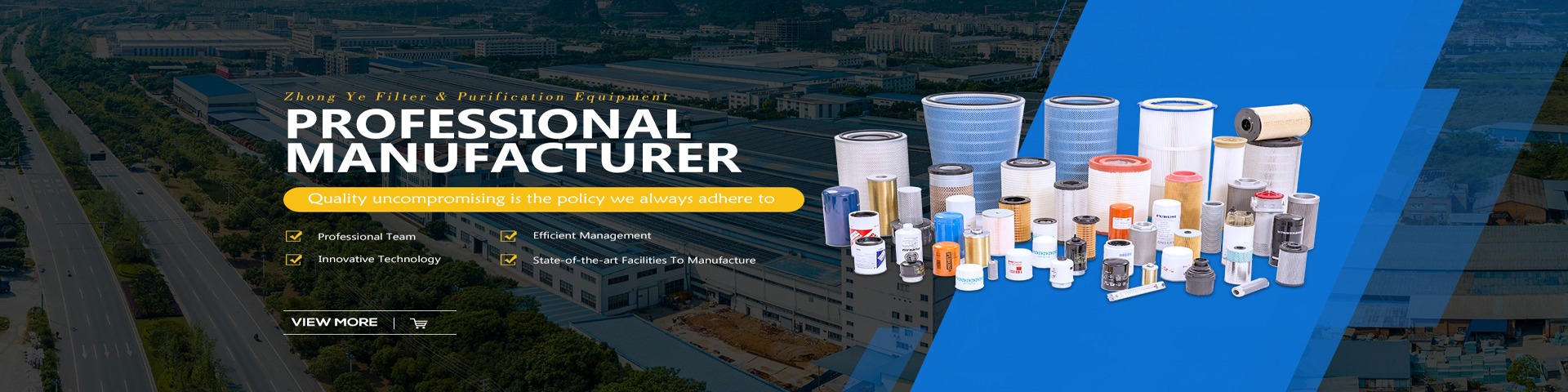
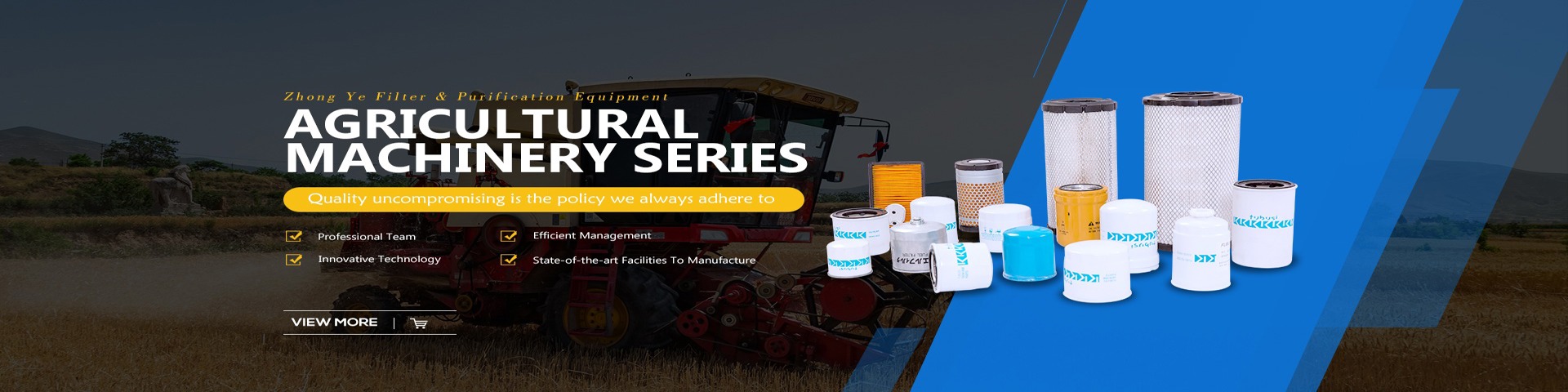
В современном мире, где загрязнение воздуха стало одной из главных проблем человечества, революция в области воздушных фильтров предлагает надежное решение для обеспечения чистоты в каждой капле воздуха, которым мы дышим. Эта инновация не просто улучшает качество жизни, но и защищает наше здоровье, экологию и будущее поколений. В этой статье мы глубоко погрузимся в тему, исследуя историю, технологии, преимущества и практические аспекты воздушных фильтров, чтобы показать, как они меняют мир к лучшему.
Воздушные фильтры не всегда были такими совершенными, как сегодня. Их история начинается с простых механических устройств, используемых в промышленности для удаления крупных частиц пыли. В начале XX века, с ростом индустриализации, загрязнение воздуха стало серьезной проблемой, что привело к разработке первых фильтров на основе ткани и бумаги. Однако эти ранние модели были неэффективны против мелких частиц и химических загрязнителей.
С течением времени, благодаря научным открытиям и технологическому прогрессу, воздушные фильтры эволюционировали. В 1940-х годах появились HEPA-фильтры (High Efficiency Particulate Air), которые могли задерживать до 99,97% частиц размером от 0,3 микрона. Это был прорыв, особенно в медицинской и военной областях, где чистота воздуха критически важна. В 1970-х годах, с ростом осознания экологических проблем, таких как смог и кислотные дожди, фильтры стали интегрироваться в системы вентиляции зданий и автомобилей.
В XXI веке революция ускорилась с появлением умных технологий. Современные воздушные фильтры используют датчики, IoT (Интернет вещей) и искусственный интеллект для мониторинга качества воздуха в реальном времени и автоматической адаптации к изменениям. Например, фильтры теперь могут определять уровень загрязнения и ajustровать скорость работы, экономя энергию и обеспечивая оптимальную очистку. Эта эволюция от простых механических устройств к интеллектуальным системам демонстрирует, как инновации делают чистый воздух доступным для всех.
Современные воздушные фильтры основаны на нескольких ключевых технологиях, каждая из которых targeting specific types of pollutants. Основные типы включают механическую фильтрацию, электростатическую precipitation, адсорбцию и фотокаталитическое oxidation.
Механическая фильтрация, такая как HEPA-фильтры, использует плотные волокнистые материалы для физического захвата частиц. Эти фильтры эффективны против пыли, пыльцы, плесени и бактерий. Например, HEPA-фильтр может удалять частицы размером до 0,3 микрона, что включает большинство аллергенов и патогенов.
Электростатические precipitators используют электрический заряд для притягивания и осаждения частиц. Они особенно хороши для удаления дыма, аэрозолей и мелкой пыли. В таких системах воздух проходит через charged plates, где частицы ionized и attracted to oppositely charged collection plates.
Адсорбционные фильтры, часто на основе активированного угля, поглощают gases и odors. Активированный уголь имеет большую поверхность area, которая traps volatile organic compounds (VOCs), табачный дым, и химические испарения. Это делает их идеальными для кухонь, лабораторий и промышленных settings.
Фотокаталитическое oxidation (PCO) использует UV light и катализаторы, such as titanium dioxide, to break down pollutants into harmless substances like carbon dioxide and water. Эта технология эффективна against viruses, bacteria, and chemical vapors, offering a comprehensive solution for air purification.
In addition, modern filters often combine multiple technologies in one unit. For instance, a hybrid filter might include a HEPA layer for particles, a carbon layer for gases, and a UV-C light for microbial control. Smart sensors monitor air quality parameters like PM2.5, CO2, and VOCs, allowing the system to adjust filtration levels automatically. This integration ensures that every drop of air is thoroughly cleaned, providing a revolution in purity that was unimaginable just decades ago.
Чистый воздух не роскошь, а necessity for human health. Загрязненный воздух содержит harmful particles and gases that can cause a range of health issues, from minor irritations to serious diseases. According to the World Health Organization (WHO), air pollution is responsible for an estimated 7 million premature deaths annually, primarily due to respiratory and cardiovascular diseases.
Short-term exposure to polluted air can lead to symptoms like coughing, sneezing, eye irritation, and headaches. For people with allergies or asthma, it can trigger severe attacks. Long-term exposure increases the risk of chronic conditions such as lung cancer, heart disease, and stroke. Children, the elderly, and individuals with pre-existing health conditions are particularly vulnerable.
Airborne pollutants include particulate matter (PM2.5 and PM10), nitrogen oxides, sulfur dioxide, ozone, and volatile organic compounds. These can originate from various sources: vehicle emissions, industrial processes, household activities like cooking and cleaning, and natural events like wildfires.
Air filters play a crucial role in mitigating these risks. By removing up to 99.97% of pollutants, they create a safer indoor environment. Studies have shown that using HEPA filters in homes can reduce asthma symptoms and improve overall respiratory health. In hospitals, air filtration is essential for preventing the spread of infections. Thus, the revolution in air filtration technology directly contributes to better health outcomes and a higher quality of life.
While air filters primarily benefit indoor air quality, they also have positive environmental impacts. By reducing indoor pollution, they decrease the need for energy-intensive ventilation systems that often recirculate polluted air. Moreover, advanced filters can capture carbon particles and other contaminants that would otherwise be released into the atmosphere.
In industrial settings, air filtration systems are used to control emissions from factories and power plants. For example, electrostatic precipitators and baghouses are employed to remove particulate matter from flue gases, helping to comply with environmental regulations and reduce the carbon footprint.
Additionally, the shift towards energy-efficient filters supports sustainability. Modern filters are designed to have low energy consumption, and some are made from recyclable materials. Smart technologies optimize operation based on real-time data, minimizing waste and extending the lifespan of filter components.
By promoting cleaner air, air filters also contribute to combating climate change. Poor air quality is linked to issues like acid rain and ozone depletion, which affect ecosystems. Cleaner air means healthier forests, oceans, and wildlife. Thus, the revolution in air filtration is not just about personal health but also about protecting our planet for future generations.
Air filters are versatile and can be used in various settings to ensure purity in every drop of air. Common applications include homes, offices, hospitals, schools, and vehicles.
In homes, air filters are integrated into HVAC systems or used as standalone units. They help remove allergens like dust mites and pet dander, making living spaces more comfortable for allergy sufferers. Kitchen filters can eliminate cooking odors and grease particles, while bedroom filters promote better sleep by reducing airborne irritants.
Offices benefit from air filtration by improving employee productivity and reducing sick days. Clean air reduces the spread of illnesses and creates a more pleasant work environment. In schools, air filters protect children, who are more susceptible to air pollution, and support better concentration and learning outcomes.
Hospitals rely on high-efficiency filters to maintain sterile conditions in operating rooms and patient wards. This is critical for preventing healthcare-associated infections.
Vehicles, especially cars and airplanes, use air filters to ensure that passengers breathe clean air during travel. Cabin air filters remove pollutants from outside air, providing a healthier journey.
To use air filters effectively, it's important to choose the right type based on specific needs. Regular maintenance, such as replacing filters according to manufacturer recommendations, ensures optimal performance. Many modern filters come with indicator lights or app notifications to alert users when maintenance is due.
The future of air filtration looks promising with ongoing innovations aimed at enhancing efficiency, sustainability, and accessibility. One emerging trend is the development of nanofiber filters, which offer higher filtration efficiency with lower air resistance, making them more energy-efficient.
Another area of advancement is in smart technology integration. Filters equipped with AI can learn usage patterns and predict maintenance needs, while IoT connectivity allows for remote monitoring and control via smartphones. This makes air purification more user-friendly and adaptive.
Research is also focusing on biodegradable and recyclable filter materials to reduce environmental impact. For example, filters made from natural fibers like bamboo or coconut husk are being explored as eco-friendly alternatives.
Additionally, there is growing interest in air filtration for specific applications, such as removing microplastics from air or targeting novel pollutants like those from electronic waste. As air quality standards become stricter globally, the demand for advanced filtration solutions will continue to rise.
Ultimately, the goal is to make clean air accessible to everyone, everywhere. With continued investment in R&D, the revolution in air filtration will ensure that purity in every drop of air becomes a standard feature of modern life, protecting health and the environment for years to come.
Воздушный фильтр революция — это не просто технологический прорыв, а movement towards a healthier, cleaner world. By embracing these innovations, we can ensure that every breath we take is free from harmful pollutants. Whether at home, work, or on the go, air filters provide a simple yet powerful solution to improve our quality of life.
We encourage readers to explore the options available and invest in air filtration systems that suit their needs. Together, we can make purity in every drop of air a reality, contributing to a brighter future for all. Remember, clean air is a fundamental right—let's protect it with the revolution of air filters.
