Информационный центр
Текущее местоположение:Главная страница>
Информационный центр>
Выбираем качественные гидравлические фильтры для бесперебойной работы


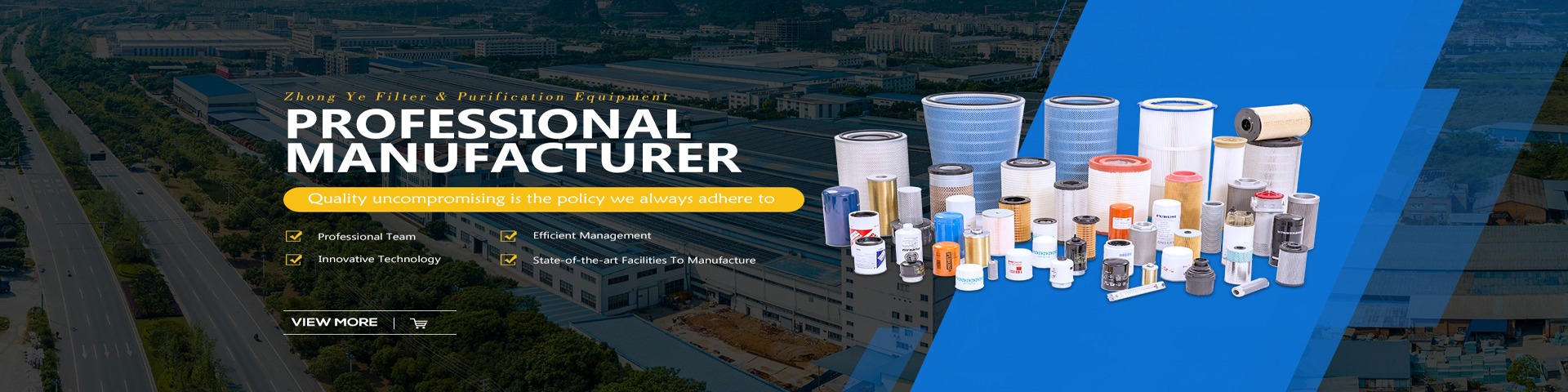
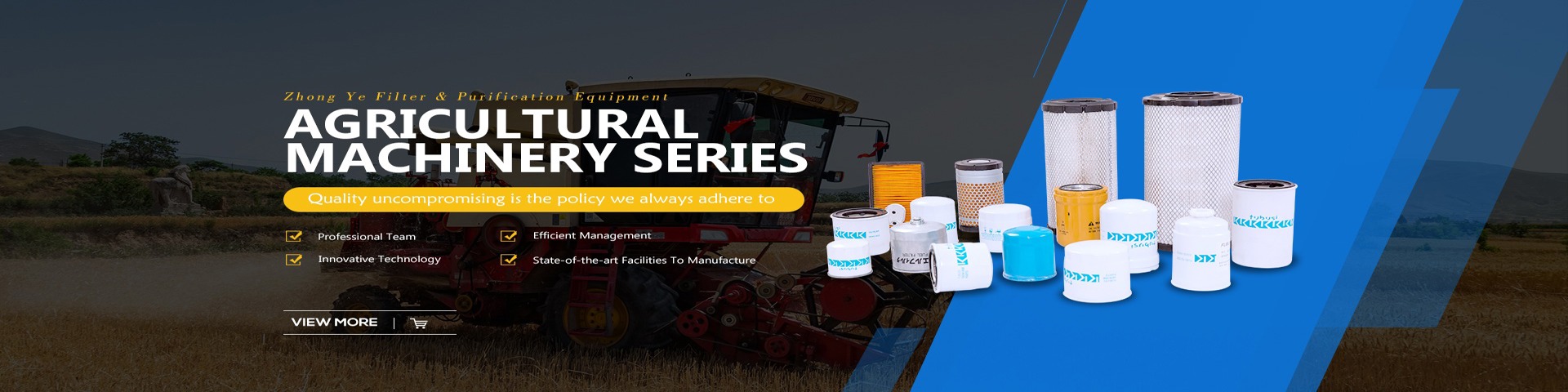
Гидравлические системы широко используются в различных отраслях промышленности, от строительства и сельского хозяйства до автомобилестроения и аэрокосмической индустрии. Эти системы обеспечивают передачу энергии через жидкость под давлением, что делает их незаменимыми для многих механизмов и оборудования. Однако для поддержания эффективности и долговечности гидравлических систем критически важно обеспечить чистоту рабочей жидкости. Загрязнения, такие как частицы пыли, металлическая стружка, вода или химические примеси, могут привести к износу компонентов, снижению производительности и даже поломкам. Именно здесь на помощь приходят гидравлические фильтры – устройства, предназначенные для удаления загрязнений из гидравлической жидкости.
Выбор качественного гидравлического фильтра – это не просто вопрос экономии или удобства; это инвестиция в надежность и долгосрочную производительность вашего оборудования. Неправильный выбор может привести к частым простоям, повышенным затратам на обслуживание и сокращению срока службы системы. В этой статье мы подробно рассмотрим, как выбрать качественные гидравлические фильтры для обеспечения бесперебойной работы. Мы обсудим ключевые аспекты, включая типы фильтров, материалы изготовления, технические параметры, а также практические советы по монтажу и обслуживанию. Цель – предоставить вам исчерпывающее руководство, которое поможет сделать informed decision и оптимизировать работу ваших гидравлических систем.
Гидравлические системы работают под высоким давлением, часто превышающим 200 бар, и используют масло или другие жидкости в качестве рабочей среды. Загрязнения в этой жидкости могут иметь катастрофические последствия. Например, твердые частицы размером всего несколько микрон могут вызвать абразивный износ насосов, клапанов и цилиндров, что приводит к утечкам, снижению эффективности и eventual failure. Кроме того, загрязнения могут способствовать oxidation и degradation жидкости, further exacerbating проблемы.
Качественные гидравлические фильтры играют ключевую роль в предотвращении этих issues. Они not only protect sensitive components but also contribute to energy efficiency by maintaining optimal fluid viscosity and reducing friction. In industries where downtime is costly, such as manufacturing or mining, reliable filtration can mean the difference between profit and loss. Statistics show that up to 70% of hydraulic system failures are caused by fluid contamination, highlighting the critical importance of effective filtration.
Moreover, with advancements in technology, modern hydraulic filters are designed to be more efficient and durable. They incorporate features like bypass valves, which allow fluid flow even if the filter is clogged, preventing system shutdown. Additionally, some filters are equipped with indicators that signal when replacement is needed, facilitating proactive maintenance. Thus, investing in quality filters is not just about compliance with standards; it's about ensuring operational continuity and maximizing return on investment.
Гидравлические фильтры можно классифицировать based on their placement in the system, filtration mechanism, and intended use. Understanding these types is essential for making the right choice. The main categories include suction filters, pressure filters, return filters, and off-line filters.
Suction filters are installed on the suction side of the pump and are designed to protect the pump from large contaminants. They typically have a coarse filtration rating and are made of materials like wire mesh or perforated metal. However, they can create a pressure drop, so their use is limited to low-pressure applications.
Pressure filters are located after the pump and before the control valves. They handle high pressures and are crucial for protecting sensitive components like valves and actuators. These filters often use fine filtration media, such as cellulose or synthetic fibers, to capture small particles. They are common in industrial machinery where precision is key.
Return filters are placed on the return line to the reservoir and are effective at removing contaminants introduced during system operation or maintenance. They are less critical for pressure but excel at maintaining overall fluid cleanliness. Off-line filters, or kidney-loop filters, are independent units that continuously filter fluid from the reservoir, ideal for systems requiring ultra-clean fluid, such as in aerospace or medical equipment.
Each type has its advantages and limitations. For instance, suction filters are inexpensive but may not provide fine filtration, while pressure filters offer superior protection but at a higher cost. The choice depends on factors like system pressure, flow rate, and the level of contamination control required. In many cases, a combination of filters is used to achieve comprehensive protection.
При выборе гидравлического фильтра необходимо учитывать several technical parameters to ensure compatibility and effectiveness. The most important ones include filtration rating, dirt holding capacity, flow rate, pressure drop, and compatibility with the fluid.
Filtration rating, often expressed in microns (μm), indicates the size of particles the filter can remove. Common ratings range from 1 μm for high-precision applications to 25 μm for general purposes. It's crucial to match the rating to the system's requirements; too fine a filter may clog quickly, while too coarse may not provide adequate protection.
Dirt holding capacity refers to the amount of contaminant the filter can hold before needing replacement. Higher capacity means longer service intervals, reducing maintenance costs. This is influenced by the filter media's surface area and design.
Flow rate must be compatible with the system's maximum flow to avoid restrictions. Pressure drop, the loss of pressure across the filter, should be minimized to maintain system efficiency. Filters are rated for maximum operating pressure, which must not be exceeded to prevent failure.
Compatibility with the hydraulic fluid is vital; some fluids may degrade certain filter materials. For example, synthetic fluids may require filters made from compatible polymers to avoid chemical reactions. Additionally, environmental factors like temperature and humidity can affect performance, so filters should be chosen with these in mind.
Standards such as ISO 4406 for fluid cleanliness provide guidelines for selecting filters based on contamination levels. Consulting these standards and working with reputable manufacturers can help in making an informed decision. Always refer to the equipment manufacturer's recommendations for specific filter requirements.
The materials used in hydraulic filters significantly impact their performance and durability. Common materials include cellulose, glass fiber, synthetic media, and metal for the housing.
Cellulose media are cost-effective and provide good filtration for general applications but may have limited chemical resistance and dirt holding capacity. Glass fiber media offer higher efficiency and better resistance to water and chemicals, making them suitable for harsh environments.
Synthetic media, such as polyester or polypropylene, excel in high-temperature and high-pressure applications. They often have superior dirt holding capacity and longer service life. The housing is typically made from steel or aluminum, with coatings for corrosion resistance.
The construction of the filter also matters. Pleated designs increase surface area, enhancing filtration efficiency and capacity. Bypass valves are incorporated to allow flow if the filter clogs, preventing damage. Some filters include indicators, like visual or electrical sensors, to alert users when replacement is due.
Advances in nanotechnology have led to filters with nano-fibers that capture sub-micron particles, ideal for critical applications. Additionally, eco-friendly options made from biodegradable materials are becoming available, catering to sustainability concerns.
When selecting a filter, consider the operating conditions. For example, in mobile equipment exposed to vibrations, robust construction is essential. In food processing, filters must meet hygiene standards. Always choose materials that align with the system's demands to ensure reliability.
Choosing the right hydraulic filter involves more than just technical specs; practical considerations are equally important. Start by assessing the system's contamination level through fluid analysis. This helps determine the appropriate filtration rating and type.
Consider the total cost of ownership, not just the initial price. A cheaper filter may need frequent replacements, increasing downtime and labor costs. Opt for filters from reputable brands that offer warranties and technical support.
Installation is critical for performance. Ensure the filter is mounted in the correct orientation and location. For example, suction filters should be easily accessible for maintenance. Use proper seals and gaskets to prevent leaks. Follow the manufacturer's instructions for torque settings and flow directions.
Regular maintenance is key to longevity. Monitor pressure drops and replace filters as recommended. Keep records of maintenance schedules to anticipate needs. In systems with high contamination, consider using pre-filters to extend the life of main filters.
Training personnel on the importance of filtration can prevent negligence. Use filter indicators to simplify maintenance. For complex systems, consult with filtration experts or use software tools that simulate filtration performance.
Lastly, stay updated with industry trends. New technologies, such as smart filters with IoT connectivity, are emerging, allowing remote monitoring and predictive maintenance. Embracing these innovations can further enhance system reliability.
В заключение, выбор качественных гидравлических фильтров – это strategic decision that directly impacts the efficiency, reliability, and lifespan of hydraulic systems. By understanding the types, parameters, materials, and practical aspects, you can make an informed choice that ensures uninterrupted operation.
Investing in high-quality filters may require a higher upfront cost, but it pays off through reduced maintenance, fewer failures, and extended equipment life. Remember, filtration is not just a component; it's a safeguard for your entire system.
We hope this guide has provided valuable insights. For specific applications, always consult with professionals and refer to technical datasheets. With the right filters in place, you can achieve optimal performance and peace of mind in your hydraulic operations.
